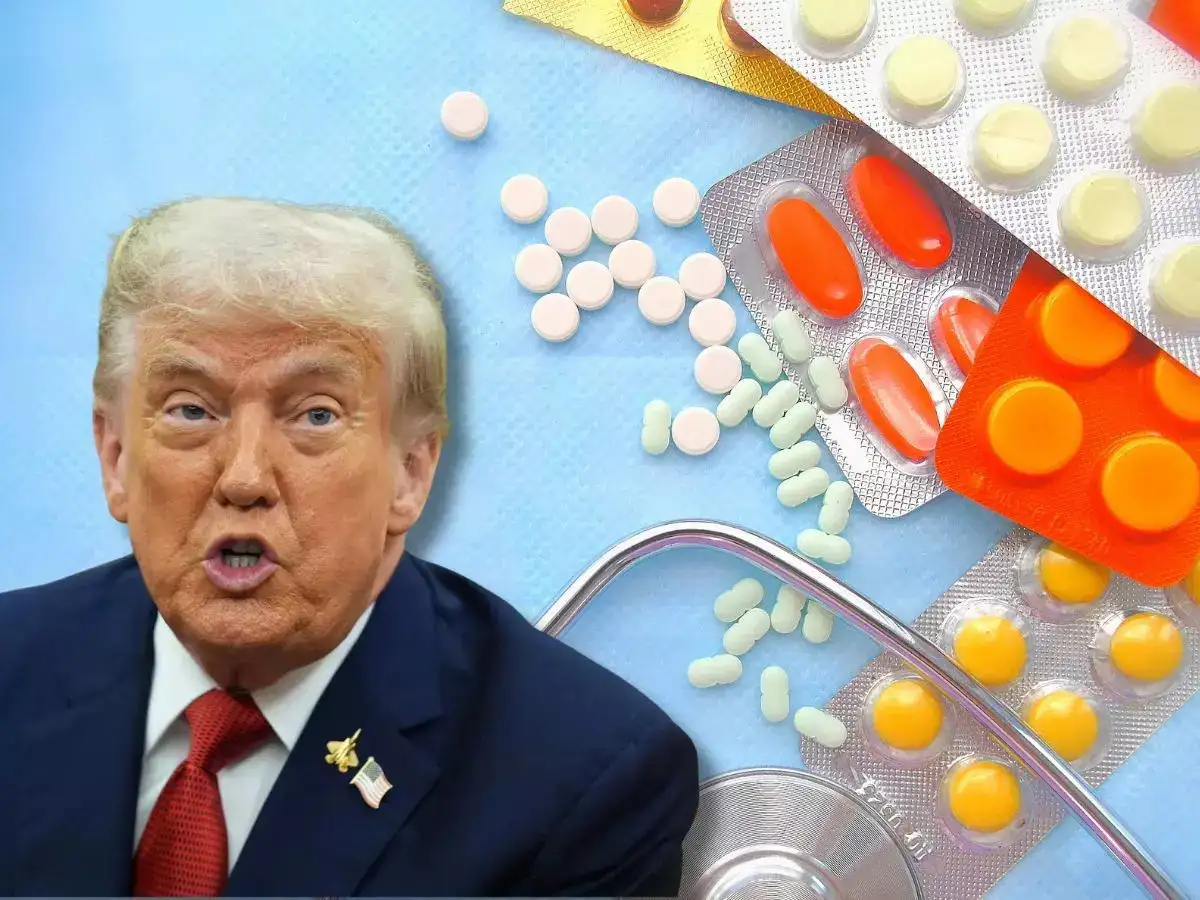
The discussion surrounding possible pharmaceutical tariffs has raised worries among patients and health specialists, as uncertainties grow regarding whether upcoming trade regulations might increase the cost of crucial medications.
The possibility of new tariffs on pharmaceuticals has ignited widespread discussion within the healthcare sector and beyond. Economic analysts, patient advocacy groups, and industry representatives are carefully evaluating how such measures could affect consumers already grappling with rising healthcare costs. While the intention behind imposing tariffs is often linked to boosting domestic production and reshaping global trade dynamics, the impact on drug pricing remains a contentious issue. If enacted, these tariffs could increase the price of certain medications, but carefully structured exemptions may provide a degree of relief for both patients and providers.
Potential consequences for drug affordability
Prices of prescription medications in the United States have consistently been a significant issue, leaving numerous patients finding it difficult to pay for vital therapies. Implementing tariffs on drugs brought in from abroad might add complexities to this scenario, particularly if they are widespread across types of medicines that are crucial for many. For those with ongoing health issues necessitating everyday therapies, even a slight rise in expenses could greatly impact family finances and adherence to treatment plans.
Healthcare economists warn that tariffs may ultimately be absorbed by consumers, as pharmaceutical companies facing higher import costs would likely adjust pricing structures. Insurance providers could also shift these expenses onto patients through higher premiums or co-pays. This creates a ripple effect where not only direct medication costs rise, but overall healthcare spending becomes more burdensome for families.
However, the situation is not without nuance. Policymakers have indicated that exemptions may apply to critical medicines, generic drugs, or essential supplies where cost increases would pose disproportionate harm. Such carve-outs could mitigate some of the immediate concerns and prevent widespread disruption in access to affordable healthcare.
Trade policy, supply chains, and domestic production
One main argument to implement pharmaceutical tariffs is to decrease dependence on overseas production, especially in areas where geopolitical tensions or interruptions in the supply chain have exposed weaknesses. The COVID-19 pandemic underscored the vulnerability of worldwide supply systems, with shortages of active pharmaceutical ingredients (APIs) and shipping delays resulting in obstructions in the availability of medications.
Supporters of tariffs argue that imposing such measures could incentivize domestic production, strengthening resilience in the pharmaceutical sector and ensuring greater control over critical drug supplies. They suggest that short-term price adjustments may be an acceptable trade-off for long-term security and self-reliance. In this view, tariffs act as a policy tool to protect national interests and encourage investment in local manufacturing infrastructure.
Nonetheless, some experts warn that establishing strong domestic capabilities is not an expedited process. Shifting production from foreign locations to American plants demands considerable financial input, regulatory clearances, and training of personnel, which may take several years to complete. During this period, individuals could face increased expenses without promptly experiencing the advantages of more local supply. This situation highlights the fragile equilibrium between economic planning and health results.
Exemptions and policy considerations
Exemptions play a crucial role in shaping how impactful tariffs may ultimately be. If structured thoughtfully, they can protect the most vulnerable patients while still advancing broader policy objectives. For example, exempting essential drugs for chronic illnesses such as diabetes, cancer, or heart disease could shield millions of Americans from sudden financial strain. Similarly, ensuring that generic drugs remain tariff-free would help preserve one of the most accessible and cost-effective options in the market.
Policy experts note that exemptions could also extend to drugs with no viable domestic alternatives, recognizing that imposing tariffs on such products would not foster competition but instead create scarcity. By applying tariffs selectively and strategically, it is possible to pursue economic goals without undermining public health priorities.
The difficulty is in establishing precise rules for which drugs and products are eligible for exceptions. Being open during this process is essential to sustaining confidence and preventing claims of partiality or ineffectiveness. Additionally, exceptions need to be periodically re-evaluated and modified to mirror shifts in the pharmaceutical environment, ensuring that safeguards stay pertinent and functional over time.
Implications for patients and the health care system
For patients, the immediate concern is affordability. Any policy that risks raising drug prices draws attention from those who already face difficult choices between paying for prescriptions and covering other essential expenses. Advocacy groups stress that safeguarding access must remain the top priority in any trade or economic policy discussion.
Healthcare institutions are also concerned about the implications. Increasing medication costs may result in patients being less compliant, leading to worse health results and a higher need for urgent medical services. Consequently, this adds more pressure on hospitals, medical practices, and the wider healthcare system. Should exemptions effectively mitigate the detrimental impacts of tariffs, they might help maintain care consistency and avert these compounding issues.
From a broader perspective, the debate reflects a recurring tension in U.S. policy: balancing economic independence with the imperative of affordable healthcare. While the goals of securing domestic production and reducing reliance on foreign supply chains are important, they must be weighed against the ethical responsibility to ensure that patients are not disproportionately harmed by economic strategies.
The conversation around pharmaceutical tariffs highlights the complex intersection of trade, healthcare, and public policy. The decisions made in this arena will not only influence drug pricing but also shape the future of pharmaceutical innovation, supply chain security, and patient well-being. As policymakers continue to refine proposals, the role of exemptions will be a central factor in determining whether tariffs act as a tool of economic resilience or a source of financial strain for millions of Americans.
The result will depend on finding a balance between boosting local industry and safeguarding public health. For both patients and healthcare providers, the expectation is that policy choices will focus on accessibility and equity, ensuring that economic approaches do not disadvantage the very individuals they are meant to benefit.