
In the growing debate over prescription drug prices in the United States, two competing approaches have emerged — one rooted in political dealmaking and the other in structured government policy. As attention turns to upcoming Medicare drug price negotiations, the tension between short-term agreements and long-term reform is becoming increasingly visible.
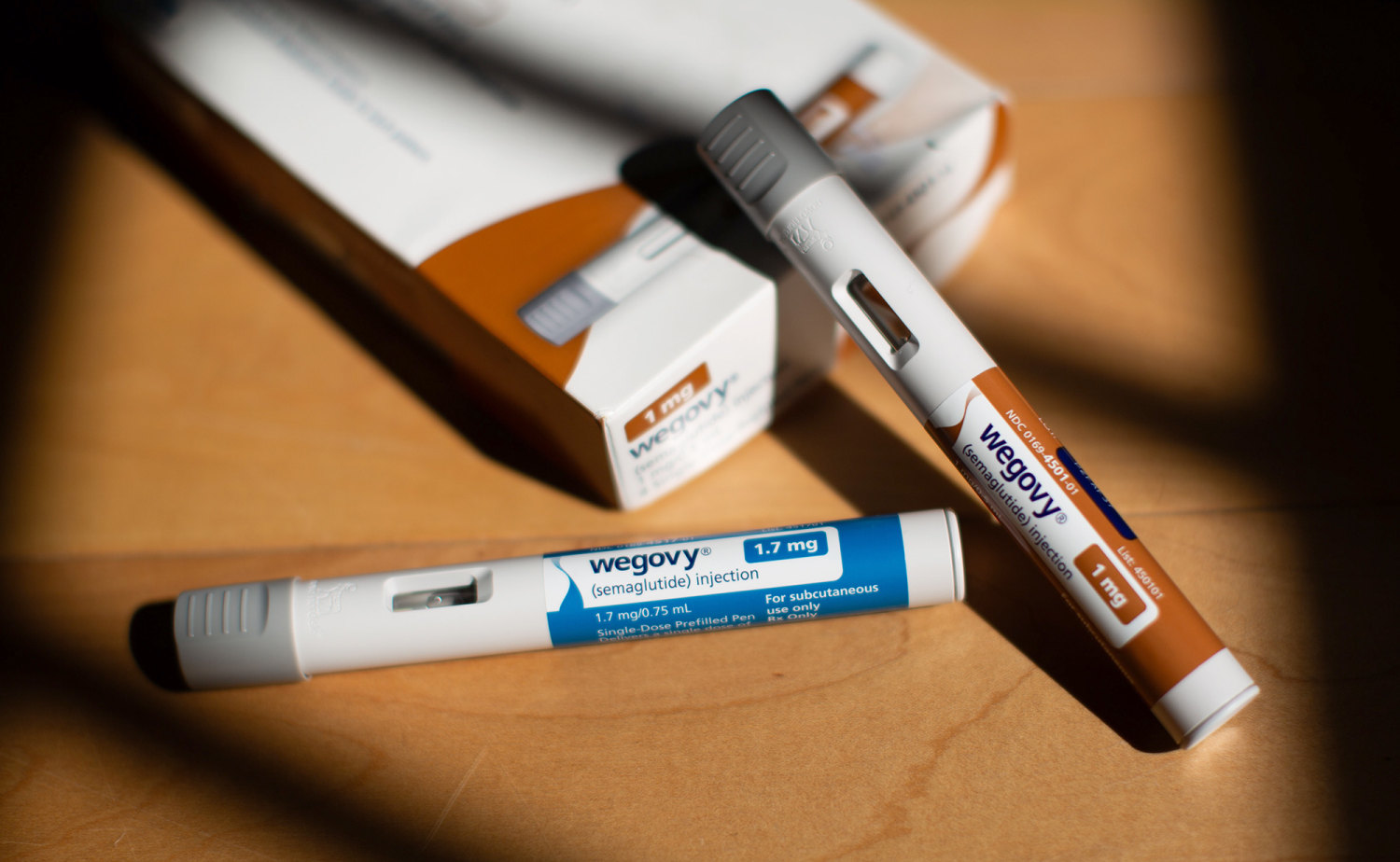
Former President Donald Trump has recently highlighted a series of new deals with pharmaceutical companies aimed at reducing the cost of popular weight loss and diabetes medications, such as Wegovy and Zepbound. These voluntary agreements, he claims, will help make treatments more accessible to Americans. However, while these announcements have generated significant media attention, Trump has said little about a government-led effort expected to have a far broader and more lasting impact — the Medicare drug price negotiation program, introduced under President Joe Biden’s Inflation Reduction Act of 2022.
The initiative empowers Medicare to engage in direct negotiations with pharmaceutical companies regarding certain high-cost medications, with the goal of providing lasting financial relief to a vast number of seniors. As per the Centers for Medicare and Medicaid Services (CMS), the second series of negotiated prices is anticipated to be unveiled by late November, encompassing 15 prescription drugs—among them Ozempic and Wegovy—an increase from the 10 drugs in the prior cycle. While these new rates will not be implemented until 2027, specialists consider this procedure to be one of the most significant advancements in reducing drug expenditures throughout U.S. history.
Differing perspectives on pharmaceutical cost restructuring
The divergence between Trump’s method and the organized Medicare negotiation framework has captured the interest of health policy specialists. Trump’s tactic relies extensively on presidential directives and voluntary agreements with drug manufacturers, rather than on statutory structures. His administration recently finalized accords with Novo Nordisk and Eli Lilly, the producers of Wegovy and Zepbound, to lower the costs of specific dosages. In return, these arrangements reportedly encompass tariff exemptions and expedited Food and Drug Administration (FDA) evaluations for novel medications — although the specifics are still unclear.
Critics contend that these types of agreements might yield immediate political wins instead of enduring resolutions. “These impromptu discussions seem to favor public declarations over fundamental reform,” stated Dr. Benjamin Rome, a health policy expert at Harvard Medical School. Rome highlighted that although reducing medication costs via executive decree could provide instant recognition, it lacks the foresight and responsibility inherent in the Medicare negotiation structure.
The voluntary deals, while potentially beneficial for specific drugs, also raise questions about transparency and consistency. Without clear oversight or formal cost-control mechanisms, experts remain uncertain about whether they will translate into meaningful savings for patients. Meanwhile, the Medicare negotiation program, by contrast, sets out a legal and repeatable process intended to lower costs for a growing list of drugs over time.
The importance of Medicare’s bargaining power
The Inflation Reduction Act brought about a monumental change by empowering Medicare, the country’s foremost purchaser of prescription medications, with the ability to negotiate directly with drug producers. Prior to its enactment, the federal government was prohibited from price negotiations, allowing pharmaceutical firms to establish costs with minimal oversight.
The first round of negotiations, announced in 2024, targeted ten high-cost drugs, including the blood thinner Eliquis and several treatments for cancer and diabetes. These initial agreements, set to take effect in 2026, were projected to save Medicare enrollees around $1.5 billion in out-of-pocket expenses in their first year alone. The second round, now underway, is expected to have an even broader impact as it incorporates medications that have seen exponential growth in demand, such as the GLP-1 class used for diabetes and weight loss.
The Congressional Budget Office (CBO) projects a significant decrease in the negotiated costs of Ozempic and Wegovy by 2027, leading to an approximate one-third reduction in Medicare’s per-patient expenditure for these medications. This trend is expected to compel rival drugs, such as Mounjaro and Zepbound, to lower their prices, thereby increasing overall market savings.
For specialists such as Stacie Dusetzina, a health policy academic at Vanderbilt University, these occurrences demonstrate how structured discussions can instigate genuine market shifts. “We are all anticipating the formal announcement of the updated prices,” she stated. “It’s quite conceivable that the expectation of these discussions has already impacted other pricing choices.”
Political narratives and economic realities
Despite the program’s promise, the Trump administration has mostly refrained from commenting on it. The White House, instead, consistently emphasizes its voluntary agreements with drug manufacturers as proof of its dedication to reducing expenses. In a formal declaration, spokesperson Kush Desai asserted that although Democrats “promoted the Inflation Reduction Act,” it ultimately “raised Medicare premiums,” contending that Trump’s direct negotiations with pharmaceutical companies are yielding “unprecedented” outcomes.
Health policy analysts, however, caution against dismissing the Medicare negotiation process as ineffective. They note that while voluntary deals may generate attention, they cannot replace structured policy reforms embedded in law. “The Inflation Reduction Act’s negotiation program is not only active but expanding,” said Tricia Neuman, executive director of the Medicare policy program at KFF. “It’s designed to bring down the cost of far more drugs over time.”
Experts also point out that pharmaceutical companies face strong incentives to cooperate with Medicare. Refusing to participate in negotiations could mean losing access to one of the largest and most lucrative prescription markets in the world — a move few drugmakers are willing to risk. Several companies have challenged the negotiation authority in court, but none have succeeded in halting the process.
Rome reiterated that the negotiation framework established by CMS is deliberate and resilient. “This process has been carefully structured and will continue year after year,” he said. “It’s unlikely that side agreements, even with major manufacturers, will disrupt it.”
A more extensive influence on the cost-effectiveness of healthcare
The debate over how best to reduce drug costs reflects a deeper question about the future of healthcare policy in the United States. One in five adults report skipping prescriptions because of cost, according to KFF data — a stark indicator of the financial burden facing millions of Americans. For older adults on fixed incomes, the difference between a one-time discount and a permanent price reduction could determine whether they can consistently access their medication.
By institutionalizing negotiations through Medicare, the Inflation Reduction Act seeks to create a predictable framework that steadily expands over time. Each new round adds more drugs to the list, gradually reshaping the economics of the pharmaceutical market. If successful, it could establish a long-term model for balancing innovation, affordability, and accountability.
Meanwhile, Trump’s ad hoc agreements underscore the challenges of balancing politics with policy. Voluntary deals may deliver quick headlines and selective savings, but without systemic oversight, their long-term benefits remain uncertain. Experts warn that relying solely on private agreements could leave gaps in affordability and undermine efforts to establish consistent nationwide standards for pricing.
As the country anticipates CMS’s announcement of the recently negotiated prices later this month, the distinction between these two methodologies has become exceptionally pronounced. One perspective, exemplified by Trump’s strategy, centers on negotiation via leverage, highlighting promptness and public awareness. Conversely, the Medicare initiative functions through statutory frameworks and established authority, valuing consistency and equity above rapid outcomes.
The results of these strategies could influence the trajectory of pharmaceutical policy for many years ahead. For countless Americans grappling with escalating drug expenses, the implications are profoundly significant.
Ultimately, both approaches embody contrasting viewpoints on the management of governance and market dynamics. Although informal agreements might provide immediate respite, formalized negotiations hold the potential for a more lasting impact — a fundamental change in how the nation perceives health, equity, and responsibility within its core frameworks.