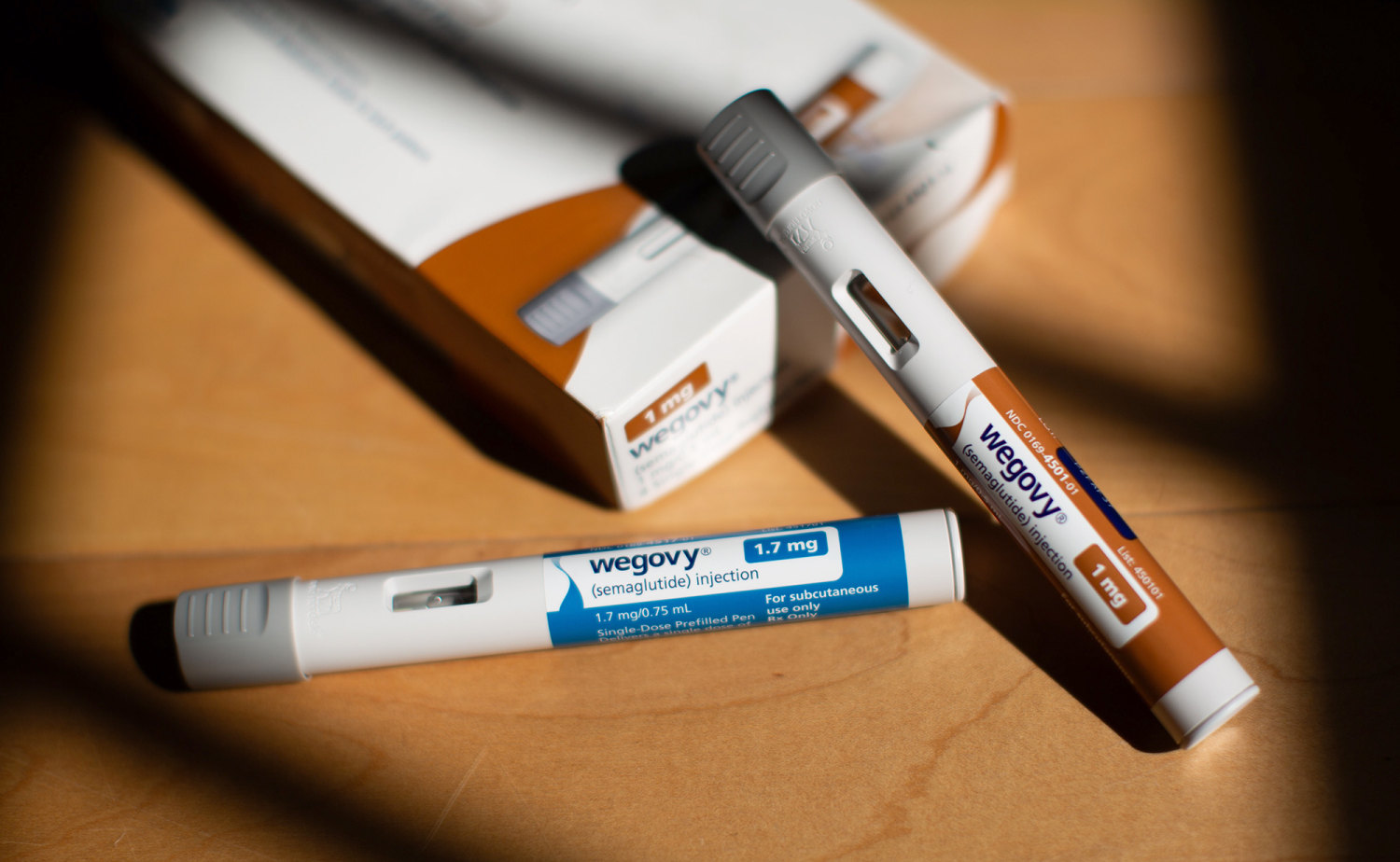
As the trade disputes between the United States and the European Union continue to develop, the possible impacts on different industries are becoming more evident. A sector of increasing worry is the pharmaceutical field, especially regarding how U.S.-imposed tariffs on European imports could affect the cost and access to medications for American consumers.
The imposition of tariffs has long been a tool used to rebalance perceived trade inequalities. Under the administration of former President Donald Trump, tariff policies were aggressively pursued as part of a broader effort to reduce the U.S. trade deficit. Among the many goods targeted were products from the EU, including luxury items, industrial equipment—and notably, pharmaceuticals and medical supplies.
Although the pharmaceutical sector was not initially the centerpiece of tariff announcements, it remains vulnerable due to its extensive reliance on global supply chains. Many active pharmaceutical ingredients (APIs), finished drugs, and medical devices are manufactured or sourced from European countries. A disruption in this flow, particularly through increased tariffs, could have downstream effects that reach American patients in the form of higher out-of-pocket costs.
A key point in this discussion is that pharmaceutical companies typically do not absorb the full brunt of tariffs. Instead, these costs are often passed along through the supply chain—first to distributors, then to pharmacies, and eventually to consumers. This progression raises significant questions about the affordability of essential medications, especially for individuals managing chronic conditions or relying on specialized treatments that may not have readily available domestic alternatives.
Furthermore, some brand-name medications developed in Europe are proprietary and not easily substituted with generic equivalents. If these products become subject to import tariffs, the lack of competitive pricing options could leave healthcare providers and patients with few affordable alternatives.
Economists also warn that pricing instability within the drug market can have compounding effects. Increases in drug prices can lead insurers to raise premiums, adjust formularies, or place certain drugs in higher cost-sharing tiers. For Medicare and Medicaid, which already represent a significant portion of public healthcare spending, higher pharmaceutical costs could strain federal and state budgets, potentially prompting policy shifts in drug coverage or benefit structures.
On the opposing side of the argument, those in favor of tariffs claim that such steps might encourage pharmaceutical firms to invest in local production, thereby generating employment opportunities and decreasing reliance on overseas providers in the long run. The concept is that by making imported goods less financially appealing, businesses could be motivated to relocate manufacturing to U.S. territory, potentially leading to price stability over time and bolstering the country’s pharmaceutical robustness.
However, the feasibility of this approach is debated. Establishing or expanding domestic drug manufacturing infrastructure is a lengthy and costly endeavor. Regulatory hurdles, workforce limitations, and the high initial capital requirements make rapid transitions unlikely. In the short to medium term, it’s probable that any shift in supply chain strategy would still result in higher prices before any economic benefits are realized.
Another consideration is the regulatory framework under which pharmaceuticals are approved and marketed. Many drugs approved in the EU undergo a different review process than those regulated by the U.S. Food and Drug Administration (FDA). Tariffs or strained trade relations could delay or complicate the importation of newer medications awaiting FDA clearance or those currently being used through international supply agreements.
The wider situation encompasses an international effort towards pharmaceutical independence, heightened by the COVID-19 pandemic, which revealed weaknesses in worldwide health supply networks. Governments globally, including those in the United States and Europe, have become increasingly conscious of the importance of maintaining economic autonomy while engaging in global collaboration, particularly in the healthcare sector.
Regarding public opinion, there is increasing worry among patient advocacy organizations and healthcare experts about the potential effects of trade policies on medical outcomes. Numerous individuals are anxious that trade disagreements could render crucial treatments less available, particularly for those with low income or without insurance. Openness in the determination of medication prices—and the role tariffs play in that process—has become a pivotal topic in healthcare policy conversations.
Some experts in the field propose that the pharmaceutical industry might seek specific exceptions or exclusions from wide-ranging trade restrictions, reasoning that drugs should not be classified alongside consumer items because of their critical importance. There is historical precedent for this; in the past, particular medications and health-related products have been kept out of trade conflicts to avoid negative humanitarian impacts.
Nonetheless, unless such exceptions are granted, the risk of rising drug prices remains a pressing concern. Whether tariffs are ultimately used as a negotiating tool, a long-term policy direction, or a temporary measure, their implications for drug pricing will likely remain a subject of debate among policymakers, economists, and healthcare stakeholders.
The connection between global trade regulations and local medication costs is intricate and diverse. Although designed to enhance economic benefits, taxes on pharmaceuticals might create new problems regarding affordability and accessibility. As the U.S. revises its trade policies, careful consideration of how these strategies overlap with healthcare will be crucial—not only for the industry but also for the countless Americans dependent on steady, affordable access to medicine.