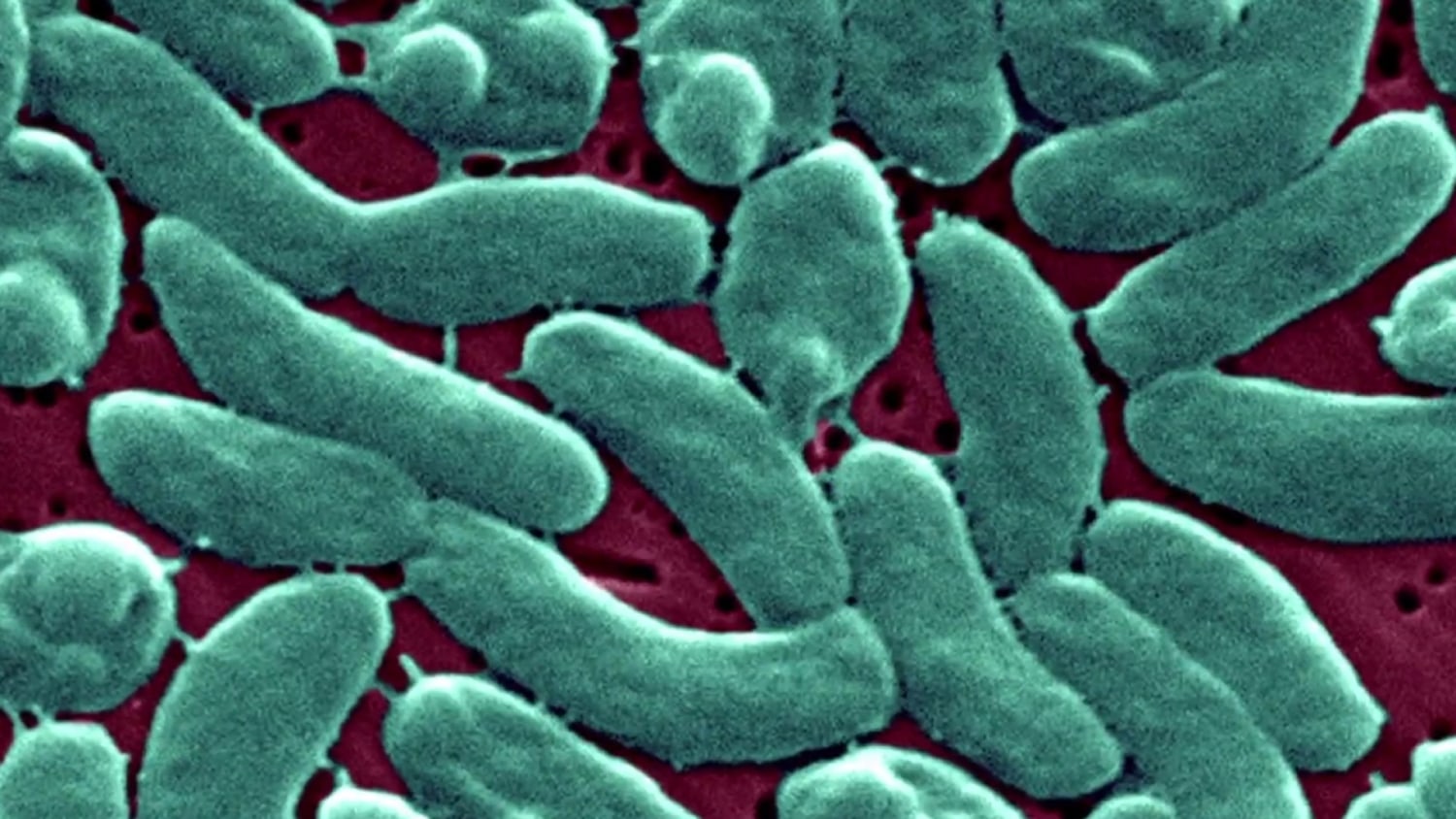
Coastal areas in the Southeastern United States are seeing an unexpected increase in harmful bacterial infections that have resulted in several deaths this year. Health authorities indicate that Vibrio vulnificus, a possibly lethal bacterium present in warm ocean waters, has led to at least ten confirmed deaths in Florida, Louisiana, and the Outer Banks of North Carolina since January.
Florida’s Department of Health has documented sixteen cases statewide, with deaths occurring in multiple coastal counties from the Panhandle to the Atlantic coast. Louisiana has recorded seventeen infections – significantly exceeding previous annual averages – while North Carolina confirms seven cases and Mississippi reports three. The bacteria enters the body through open wounds or contaminated seafood, sometimes causing necrotizing fasciitis, a rapid tissue destruction commonly called flesh-eating disease.
Antarpreet Jutla, a researcher at the University of Florida, observes that the early summer surge in cases is atypical when compared to historical trends. Vibrio infections often rise after hurricanes, yet this year’s cases have surfaced before the main storm season. Jutla’s team is looking into the unusually high levels of vibrio indicators such as plankton in the Florida Panhandle, indicating that environmental elements might be influencing the outbreak.
The Centers for Disease Control and Prevention estimates Vibrio vulnificus proves fatal in approximately 20% of cases. Most infections occur when the bacteria enters through cuts or wounds exposed to warm saltwater, though consuming raw oysters represents another common transmission route. Once established, the infection can spread with alarming speed, destroying surrounding tissue and potentially entering the bloodstream.
Vulnerable groups are at heightened risk, as noted by infectious disease expert Dr. Norman Beatty from University of Florida Health. People suffering from liver diseases, weakened immune systems, or enduring ailments such as diabetes show notably increased vulnerability. Additionally, older individuals face more significant threats because of age-related weakening of the immune system.
Early symptoms demand immediate medical attention – redness, swelling, and distinctive bullseye-pattern blisters around wounds signal possible infection. As the condition progresses, patients may develop fever, chills, and dangerously low blood pressure indicating life-threatening sepsis. Prompt antibiotic treatment significantly improves outcomes, making rapid diagnosis critical.
Climate scientists warn warming ocean temperatures are expanding Vibrio’s habitat range northward along both coasts. Cases have appeared in typically cooler regions including New York, Connecticut, and Maryland in recent years. Researchers believe rising water temperatures create ideal conditions for bacterial proliferation, potentially explaining the current southeastern outbreak.
Prevention is still the best way to protect yourself from these harmful infections. Health specialists suggest:
- Cubre completamente todas las heridas antes de entrar al océano
- Evita actividades en agua salada con cortes o raspones recientes
- Cocina bien los mariscos y manipúlalos con seguridad
- Busca atención médica inmediata ante cualquier síntoma sospechoso
Although Vibrio vulnificus constitutes merely one among more than 200 species of vibrio, its possible severity calls for particular vigilance. Many other strains result merely in mild digestive ailments, although Vibrio parahaemolyticus and Vibrio alginolyticus might induce uncomfortable cases of foodborne illness.
Public health agencies continue monitoring coastal water conditions as hurricane season approaches, since storm surges and flooding often increase infection risks. Residents and visitors to affected areas should remain vigilant about water safety and wound protection during the warmest months when bacterial concentrations peak.
The ongoing eruption is a stark alert to the concealed risks in nature, especially for individuals with pre-existing health issues. As weather trends shift, tackling and preventing these diseases will probably necessitate continuous collaboration among healthcare providers, scientists, and seaside communities. Meanwhile, vigilance and rapid response are crucial defenses against this possibly lethal oceanic hazard.