
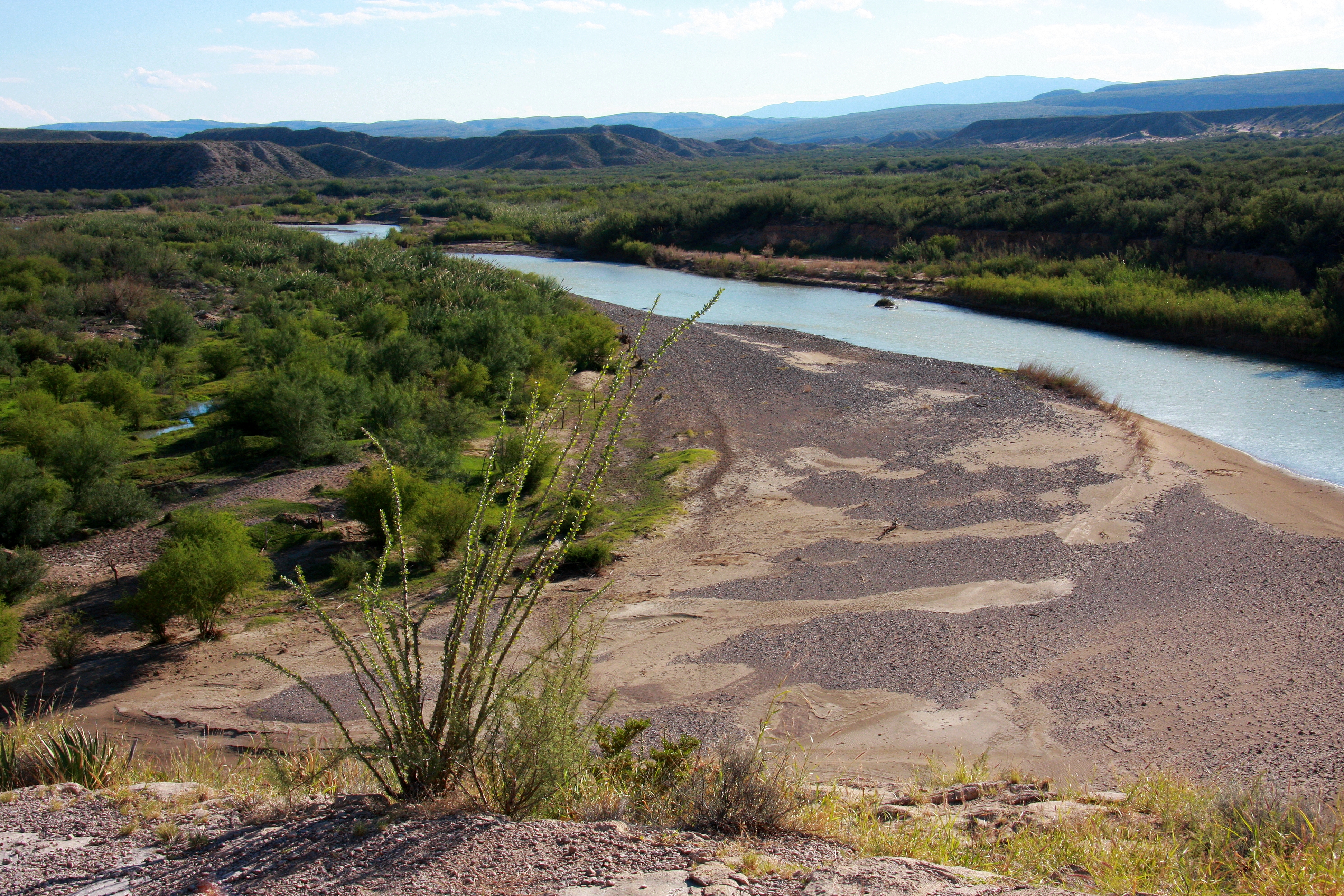
A long-standing dispute between the United States and Mexico over water-sharing obligations is intensifying, as prolonged drought conditions, rising temperatures, and shifting rainfall patterns place unprecedented pressure on key river systems along the border. At the heart of the issue is a complex binational agreement that governs the allocation of water from the Rio Grande and the Colorado River—lifelines for agricultural production, municipal supply, and ecological balance in both nations.
The 1944 Water Treaty, a historic agreement finalized over 80 years prior, stipulates the allocation of water from these rivers. According to its provisions, the United States supplies Mexico with water from the Colorado River, while Mexico is obligated to allow water from its tributaries to flow into the Rio Grande, helping U.S. communities downstream, especially in Texas. Although the treaty has generally remained effective for decades, increasing environmental pressures and population growth have put the agreement under new pressure.
In recent times, Mexico has faced difficulties fulfilling its delivery commitments, especially during severe droughts. The latest shortfall has stirred up discontent among American authorities, mainly in southern Texas, where residents, agricultural producers, and water regulators depend greatly on the Rio Grande’s water for irrigation and public needs. As the pressure increases, demands for diplomatic action and treaty compliance have grown louder, with local parties cautioning about significant economic and environmental impacts if the issue remains unresolved.
Mexican leaders, on their part, point to the harshness of the drought affecting northern areas like Chihuahua, where water reservoirs have reached unprecedented lows and competing internal needs restrict the government’s capacity to allocate more water for export. As farming areas in Mexico also deal with crop losses and rural communities contend with water shortages, authorities have contended that the treaty’s structure needs to be applied with adaptability under extreme circumstances.
The cross-border water dispute reflects a broader global challenge: how to equitably share natural resources that cross national boundaries in an era of climate volatility. While the 1944 treaty includes provisions for dispute resolution and cooperation during times of hardship, its language—written during a very different climatic era—does not fully anticipate the scale or intensity of today’s environmental pressures.
To address these gaps, both countries have worked through the International Boundary and Water Commission (IBWC), a binational agency tasked with implementing the treaty and resolving disputes. Through formal meetings and technical discussions, the IBWC seeks to maintain diplomatic dialogue and prevent the conflict from escalating. However, recent talks have yielded limited progress, and time is becoming a critical factor as agricultural seasons begin and urban water demand grows.
In the Texas Rio Grande Valley, agriculturalists are raising concerns about decreasing water allotments, which have a direct effect on crop production and the economic stability of local farming. Several irrigation districts have observed significant decreases in water availability, compelling farmers to reduce their operations or halt planting completely. These deficits impact not just food supply systems, but also have repercussions on regional economies that rely on agriculture for employment and income.
Municipalities along the border are also voicing concern. With population growth accelerating in both the United States and Mexico, urban areas are placing greater demands on limited water supplies. In cities like El Paso and Ciudad Juárez, officials are working to diversify water sources, invest in infrastructure, and implement conservation measures—but these efforts may not be enough if cross-border deliveries continue to decline.
Climate change is worsening the issue. Rising temperatures are diminishing the snowpack in the Rocky Mountains, a crucial contributor to the Colorado River’s flow, while unpredictable rainfall patterns complicate planning and managing reservoir releases. Scientists caution that without substantial adjustments, existing water-sharing arrangements could become increasingly difficult to sustain, resulting in heightened tensions among neighboring nations.
In response to the growing crisis, some policymakers are calling for a revision of the 1944 treaty or the development of supplemental agreements that reflect modern hydrological realities. These proposals include enhanced data sharing, joint investment in conservation and infrastructure, and more adaptive management strategies that take into account both countries’ evolving needs and capacities.
Some suggest adopting a more localized strategy that includes participants beyond national administrations—like regional organizations, municipal water authorities, agricultural producers, and ecological associations—to work together on developing water policies. These initiatives may enhance trust, promote openness, and create creative solutions advantageous for both sides of the boundary.
The scenario highlights the necessity of considering water as more than just a marketable product; it is a collective resource demanding careful management, diplomatic efforts, and strength. Successful water management, especially across borders, should be rooted in collaboration, fair practices, and scientifically informed strategies. As climate challenges intensify, nations sharing waterways, such as rivers, lakes, and aquifers, will face a greater need for collaborative efforts to maintain joint sustainability.
Currently, representatives from both nations continue their discussions, yet the obstacles that lie ahead are considerable. As climate conditions grow increasingly severe and resource availability less frequent, the necessity for robust, adaptable, and progressive agreements is more pressing than ever.
The dispute over the Rio Grande and Colorado River water allocations is not just a regional issue—it is a preview of the water diplomacy challenges that nations around the world may face in coming decades. What happens along the U.S.–Mexico border could serve as a model—or a warning—for how to manage the complex realities of shared water in a warming world.


