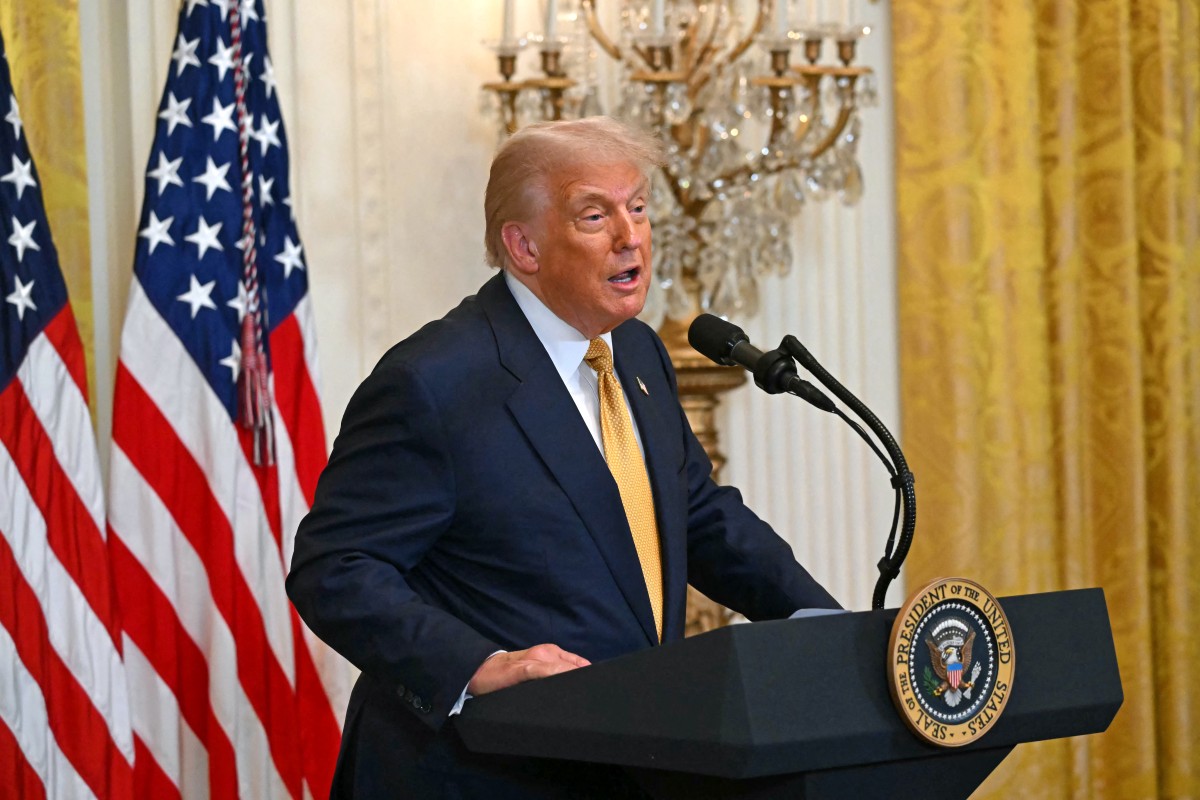
Former United States President Donald Trump announced that a trade deal with Japan had been completed while he was in office, describing it as an important advancement in enhancing economic ties between the two countries. This statement was part of Trump’s larger initiative to reshape U.S. trade policy during his presidency, aimed at obtaining more advantageous terms in current agreements and creating new bilateral deals with crucial international allies.
Based on Trump’s statement, the arrangement was designed to expand access for American agricultural items into Japanese markets and to lower specific tariffs that U.S. exporters viewed as competitive obstacles. In exchange, the United States promised to lower tariffs on a range of Japanese industrial products, aiming to improve mutual market entry. Although the agreement was not as comprehensive as a complete free-trade deal, both administrations described it as an initial step towards strengthening economic cooperation.
The trade pact emerged in the aftermath of the United States’ withdrawal from the Trans-Pacific Partnership (TPP), a multilateral trade agreement that had included Japan and several other Pacific Rim countries. Following the U.S. exit from the TPP in 2017, the Trump administration sought to pursue bilateral trade arrangements that it argued would better serve American interests and correct perceived imbalances in trade relationships. Japan, in turn, signaled a willingness to negotiate a new framework to ensure continued economic cooperation with the U.S. despite the abandonment of the broader TPP framework.
For U.S. farmers, the agreement offered enhanced entry to one of the globe’s biggest and wealthiest markets. Producers in agriculture, especially those involved with beef, pork, dairy, and wheat industries, had voiced worries that without a trade pact with Japan, they would fall behind rivals from nations that continued in the TPP, now called the Comprehensive and Progressive Agreement for Trans-Pacific Partnership (CPTPP). The U.S.–Japan pact aimed to regain competitive balance by ensuring tariff cuts comparable to those available to CPTPP member countries.
On the Japanese side, the agreement offered benefits to manufacturers and exporters of certain machinery, industrial materials, and consumer electronics, areas where Japan maintains a strong international presence. Japanese officials noted that the deal also reaffirmed the strategic importance of the U.S.–Japan alliance, both economically and geopolitically.
While the agreement did not touch on the complex issue of automobile tariffs—an ongoing point of contention between the two countries—it was viewed as a positive development, potentially paving the way for more comprehensive negotiations in the future. Trump emphasized that the deal signaled a renewed commitment to a “fair and balanced” trading relationship, one that he claimed had been lacking under previous arrangements.
The declaration received varied reactions from financial analysts and trade specialists. Proponents praised the government’s effort to secure bilateral deals focused on national priorities and emphasized possible advantages for U.S. farming. Opponents, though, pointed out that the deal did not possess the scope and enforcement measures usually found in broader trade agreements. A few suggested that re-entering a multilateral framework such as the CPTPP could have provided more significant strategic and economic gains over time.
Nonetheless, the deal was welcomed by business communities in both countries. U.S. agricultural associations expressed optimism that the agreement would help stem market share losses in Japan, while Japanese exporters looked forward to smoother access to the U.S. market for select goods. The signing of the agreement was seen as a moment of stability amid an often turbulent period for international trade, marked by escalating tensions between the U.S. and other trading partners, particularly China.
Beyond the immediate trade implications, the U.S.–Japan agreement carried broader geopolitical significance. As two of the world’s largest economies and longstanding allies, the economic partnership between Washington and Tokyo plays a crucial role in maintaining stability in the Asia-Pacific region. The agreement underscored a shared interest in preserving open markets, protecting intellectual property, and upholding rules-based trade practices.
The agreement additionally signified a change in international trade dynamics during President Trump’s time in office, as the U.S. transitioned from extensive multilateral treaties to bilateral negotiations. This tactic was integral to Trump’s wider “America First” economic plan, aiming to revisit trade agreements to lessen U.S. trade shortfalls and bring back industrial employment. Although this policy garnered political backing from certain local groups, it also sparked worries about the weakening of multilateral frameworks and standards.
Looking forward, the U.S.–Japan trade agreement set a precedent for future bilateral negotiations with other countries, particularly those in Asia and the Pacific. Whether future administrations continue along this path or revert to multilateral frameworks remains to be seen. What is clear, however, is that the agreement marked an important milestone in one of America’s most strategic economic relationships.
For Japan, the accord represented both a chance and a hurdle. Although it ensured ongoing access to the U.S. market, Japanese authorities were still wary of the overall consequences of the uncertain nature of U.S. trade policies. Nevertheless, by resolving disagreements and finalizing a deal amid difficult conditions, both countries illustrated the strength and flexibility of their alliance.
The declaration by former President Trump regarding a finalized trade deal with Japan marked an important milestone in U.S. trade strategy. Despite being more limited than conventional trade agreements, the deal provided concrete advantages to crucial industries in both countries and underscored the importance of working together bilaterally. As international trade continues to change, these types of agreements might increasingly influence economic ties in the future.