
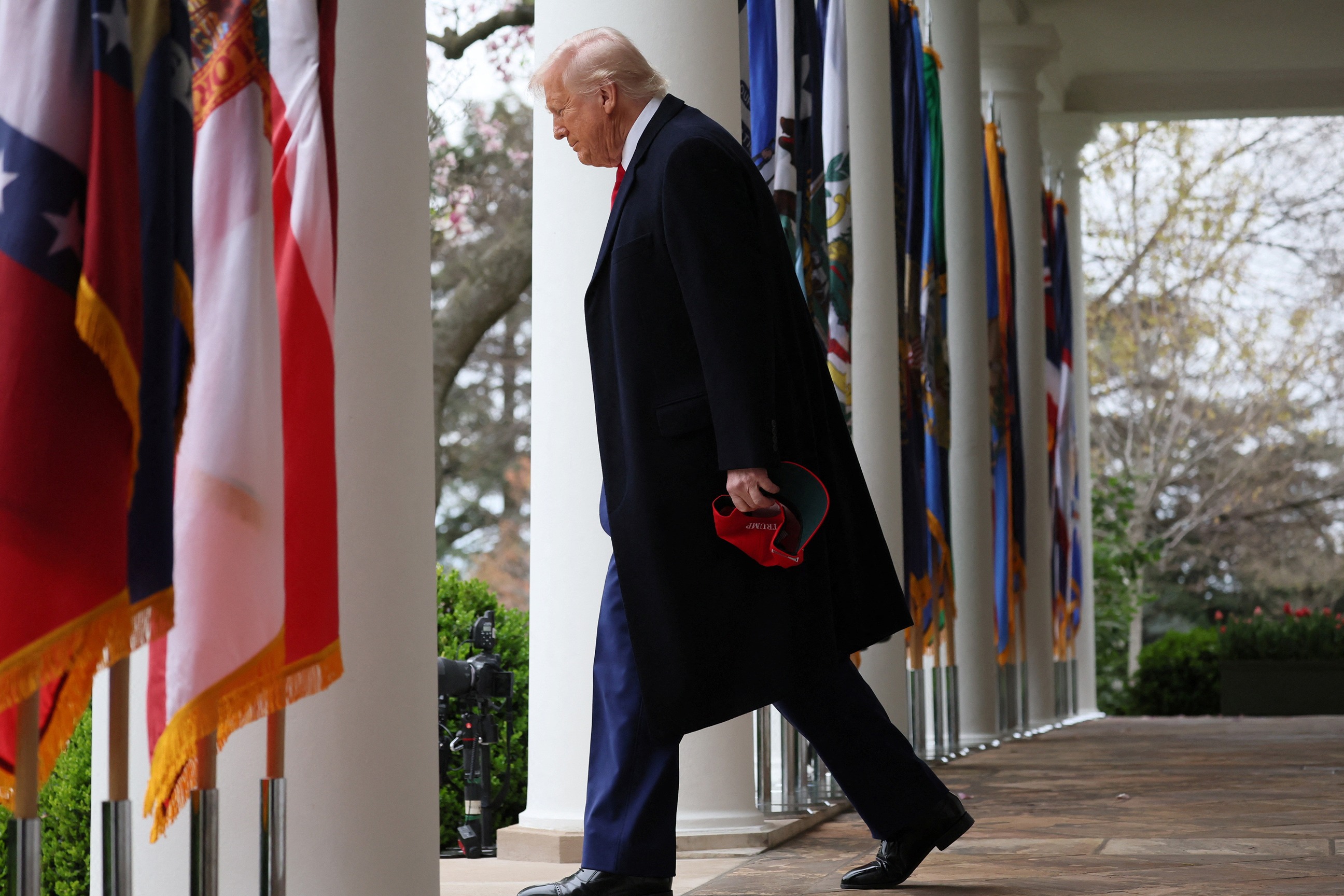
The conversation around international trade and tariffs has once again come into sharp focus as discussions about former President Donald Trump’s trade policies continue to reverberate across global markets. With ongoing debates about tariffs on imports from major trading partners, including China, the European Union, and Canada, businesses and governments alike are closely monitoring what could come next and how these policies may shape economic conditions in the years ahead.
Tariffs, fundamentally taxes on goods brought into the country, emerged as a hallmark of the Trump administration’s trade strategy. Aimed at tackling what Trump termed as unjust trading behaviors and significant trade disparities, these actions received both accolades and opposition. Proponents contended that tariffs were vital for safeguarding American businesses and jobs from foreign competition, whereas detractors cautioned that these measures could incite trade conflicts, drive up consumer costs, and tense international relations.
Central to these strategies was an attempt to adjust trade relations, especially concerning China. The U.S. implemented multiple rounds of tariffs on billions of dollars in Chinese products, spanning from electronics to apparel. In response, China applied its own tariffs on American agricultural products, technology, and other exports, resulting in an extended impasse between the two leading global economies. Although a partial trade agreement, referred to as «Phase One,» was finalized in early 2020, numerous tariffs are still effective, and the overall relationship between the two countries continues to be strained.
In addition to China, tariffs were extended to cover products from allies such as the European Union and Canada, with justifications ranging from national security to concerns over trade deficits. The U.S. imposed tariffs on steel and aluminum, triggering retaliatory measures from trading partners and prompting legal challenges at the World Trade Organization. These actions strained relationships with longstanding allies and raised questions about the future of multilateral trade cooperation.
Now, as the world continues to grapple with inflation, supply chain disruptions, and geopolitical instability, the role of tariffs in U.S. economic policy is once again under scrutiny. Some political voices continue to support the use of tariffs as leverage in trade negotiations and as a means of protecting domestic industries. Others call for a reevaluation, arguing that such measures may ultimately do more harm than good by raising costs for businesses and consumers without delivering long-term competitive advantages.
The Biden administration has largely maintained many of the tariffs put in place during Trump’s presidency, while signaling openness to reviewing specific cases. This approach reflects the complex balance between addressing unfair trade practices, safeguarding American jobs, and managing the broader economic impacts of trade restrictions. The administration’s decisions going forward will be closely watched by market participants, global partners, and domestic industries alike.
Observando las implicaciones económicas más amplias, los aranceles han aumentado los costos en varios sectores, intensificando las presiones inflacionarias que se sienten a nivel mundial. Para las industrias que dependen en gran medida de los materiales importados, como la fabricación automovilística, la electrónica y la construcción, los aranceles han obligado a las empresas a absorber costos más altos o trasladarlos a los consumidores. En una economía global que aún se recupera de los impactos de la pandemia de COVID-19, estos costos adicionales pueden frenar el crecimiento y disminuir la competitividad.
On the international stage, tariffs have also reshaped supply chains. Many companies, in an effort to avoid tariff costs, have sought to diversify their manufacturing bases away from China and toward other countries such as Vietnam, Mexico, and India. While this diversification may offer long-term benefits, the short-term adjustments have proven costly and complex for businesses, with new logistical challenges and regulatory hurdles.
For consumers, the impact of tariffs has often translated into higher prices on everyday goods, from household appliances to clothing and electronics. In an inflationary environment where wages may not keep pace with rising costs, this places additional strain on household budgets. Critics argue that the burden of tariffs ultimately falls disproportionately on consumers rather than foreign producers.
Simultaneously, various parts of the U.S. economy have gained from tariff shields. Sectors like steel, aluminum, and specific manufacturing areas have experienced heightened investment and production due to decreased competition from foreign imports. Nonetheless, the overall economic advantages of these protections remain a topic of continuous discussion among economists and policymakers.
El agricultural sector sigue siendo uno de los más afectados por los aranceles de represalia. Los agricultores en Estados Unidos han enfrentado importantes desafíos para acceder a mercados de exportación clave, especialmente en China. A pesar de que la asistencia gubernamental temporal ayudó a mitigar algunos de los daños financieros, la incertidumbre a largo plazo continúa afectando negativamente la economía agrícola. Se consideran esenciales los esfuerzos por asegurar nuevos acuerdos comerciales o revisar los aranceles existentes para restaurar la estabilidad en este sector crucial.
As global commerce undergoes transformations, awareness is increasing that tariffs by themselves might not adequately tackle more profound structural problems. Matters like intellectual property theft, mandatory technology exchanges, and labor standards demand broader diplomatic and regulatory approaches. The task for policymakers is to devise methods that encourage equitable trade without sparking harmful trade conflicts or distancing partners.
The future of tariffs as a policy tool remains uncertain. Some analysts suggest that tariffs could become a more permanent feature of U.S. trade policy, particularly as economic nationalism gains traction in various parts of the world. Others hope for a return to more collaborative approaches through international institutions such as the World Trade Organization and regional trade agreements.
Market actors are expected to stay vigilant as they evaluate the effects of any fresh changes connected to tariffs. The interaction among trade policy, inflation, and economic expansion implies that choices in this field can have extensive impacts on international markets, supply networks, and investment approaches.
For companies, buyers, and investors, it is crucial to keep up-to-date on the evolving international trade environment. By keeping an eye on government updates, studying economic indicators, or evaluating the possible effects of new tariffs, an active strategy will be required to handle the forthcoming uncertainties.
The legacy of Trump’s tariffs continues to influence the global economy, U.S. trade relations, and domestic industries. While some see tariffs as a vital tool for safeguarding national interests, others caution against their unintended consequences. As debates over trade policy continue, the challenge for decision-makers will be to strike a balance between protecting domestic industries, fostering economic growth, and maintaining strong international partnerships in an increasingly interconnected world.



_(1).jpg "Ficohsa strengthens its regional leadership in the MERCO 2025 Rankings")
.jpg "Panamá Oeste")