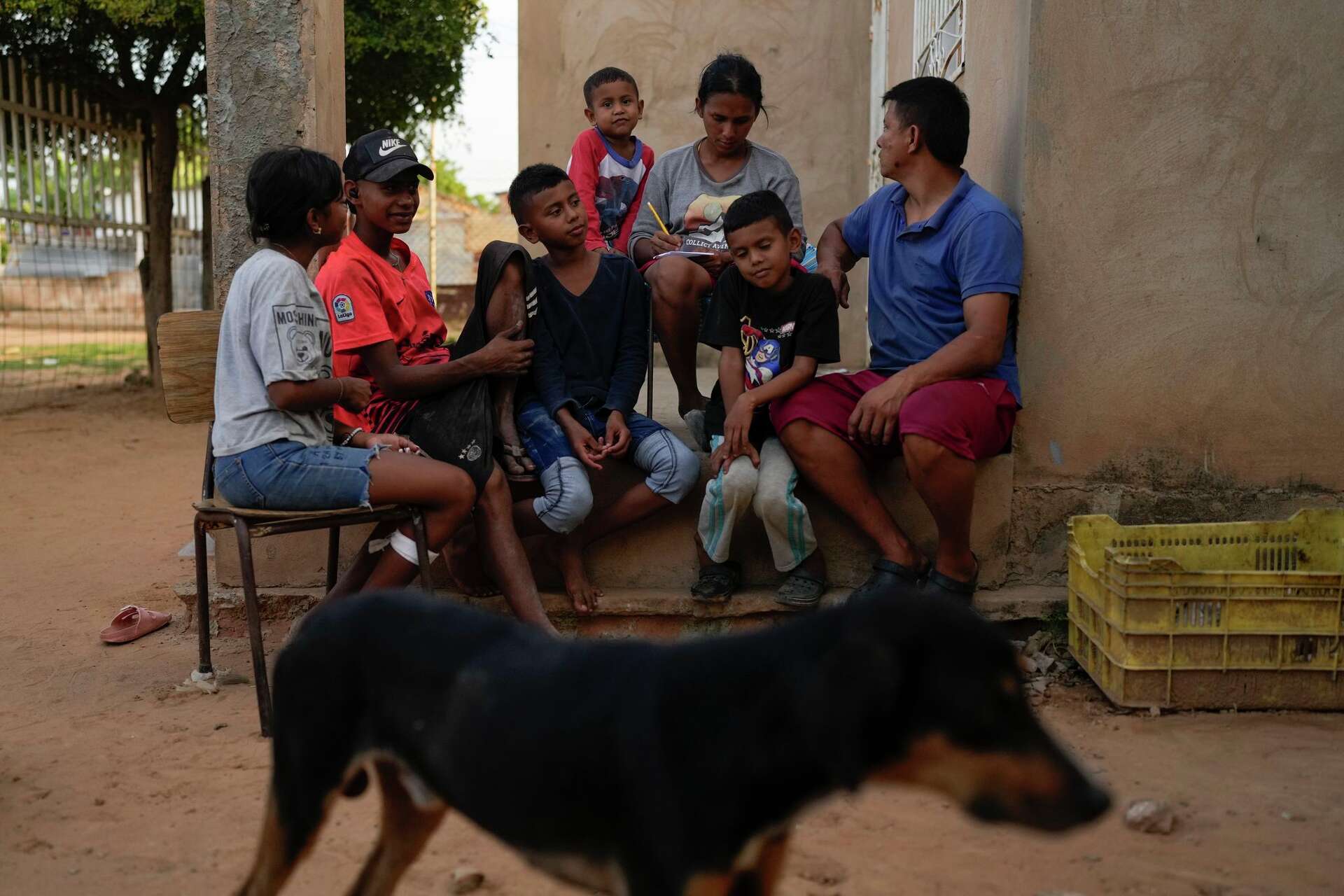
Migrants heading back to Venezuela, a country they previously left seeking improved prospects, are now caught in another cycle of financial trouble and difficulty. These people, usually carrying the emotional and psychological impacts of their unsuccessful ventures abroad, are currently overwhelmed by significant debt and are confronting severe living conditions. The scenario underscores a complicated and sorrowful reversal of fate, where the aspiration for a fresh start has morphed into a distressing battle with economic challenges and a return to a nation still wrestling with deep instability. This is not a narrative of joyful return and comfort, but rather one of ongoing hardship and a quest for stability that is still out of reach.
The primary driver of this crisis is the crushing debt many migrants incurred to fund their travels. The cost of a one-way ticket, often involving a perilous journey across several borders, can be exorbitant. Many were forced to borrow from family, friends, or even informal lenders at high interest rates. They left Venezuela with the hope of earning enough money to repay these debts and send remittances back home. However, for a variety of reasons—including low wages, exploitation, or the loss of their jobs—many were unable to achieve financial stability. Their return to Venezuela means they are now in a precarious position, facing creditors with no means to pay back what they owe.
Living conditions for these returnees are often no better than what they left behind. Venezuela’s economy, while showing some signs of stabilization, remains deeply troubled. Hyperinflation, a lack of consistent public services, and limited job opportunities mean that finding a stable source of income is incredibly difficult. Many migrants, having sold their possessions to fund their initial departure, are returning to nothing. They lack the resources to start over, and their debts make it impossible to get back on their feet. This creates a vicious cycle of poverty and despair, where the initial hardships that led them to leave are now compounded by new financial burdens.
Furthermore, the social and emotional challenges faced by returning migrants are immense. They are often met with a mix of pity and suspicion from their communities, who may view their return as a sign of failure. The psychological toll of their failed journeys, coupled with the stress of their financial situation, can lead to depression and other mental health issues. They are essentially strangers in their own land, having to navigate a society that has changed in their absence while struggling to cope with the trauma of their experiences abroad. This reintegration process is not only a matter of economics but also of social and psychological healing.
The government’s response to this crisis has been largely insufficient. While there have been some programs to assist returning migrants, they are often underfunded and poorly organized. The scale of the problem is vast, and the government lacks the resources to provide adequate support to all those who need it. This has left many returnees to fend for themselves, relying on the kindness of family and friends, or resorting to desperate measures to survive. The lack of a robust and compassionate government response exacerbates the problem, making it harder for these individuals to get back on their feet and contribute to society.
This scenario also underscores a deeper and more entrenched challenge within Venezuela. Although the government has achieved some advancements in bringing economic stability, the root causes that compelled millions to depart initially—political unrest, corruption, and insufficient economic opportunities—remain largely unaddressed. The hardships faced by returning migrants strongly illustrate that the nation is still distant from becoming a land of prosperity and optimism for every citizen. It implies that the journey towards real recovery is still lengthy and filled with obstacles, and that securing a genuinely stable future for Venezuela will demand more than simply restoring economic normalcy.
The tales of these individuals coming back are a strong cautionary message for those contemplating departing the nation. They present a compelling argument against the belief that migration ensures a better life. The financial and personal risks involved are significant, and the ramifications of unsuccessful attempts can be severe. This important message is meant for not just Venezuelans but for global audiences who might be considering similar choices. The predicament of returning migrants is a worldwide concern, and Venezuela’s situation serves as a significant example of the human toll caused by economic and political turmoil.
The return of migrants to Venezuela is a complex humanitarian crisis. These individuals, burdened by debt and facing harsh living conditions, are in a state of profound distress. The issue is rooted in the economic struggles of their host countries, the high costs of their journeys, and the ongoing instability in Venezuela itself. The lack of adequate government support further exacerbates the problem, leaving many with little hope for a better future. This is a story of human resilience in the face of immense adversity, but it is also a story that calls for a more compassionate and comprehensive response from both national and international bodies. The plight of these returnees is a reminder that the true measure of a country’s recovery is not just its economic data, but the well-being of all its citizens, including those who once left and are now forced to return.