
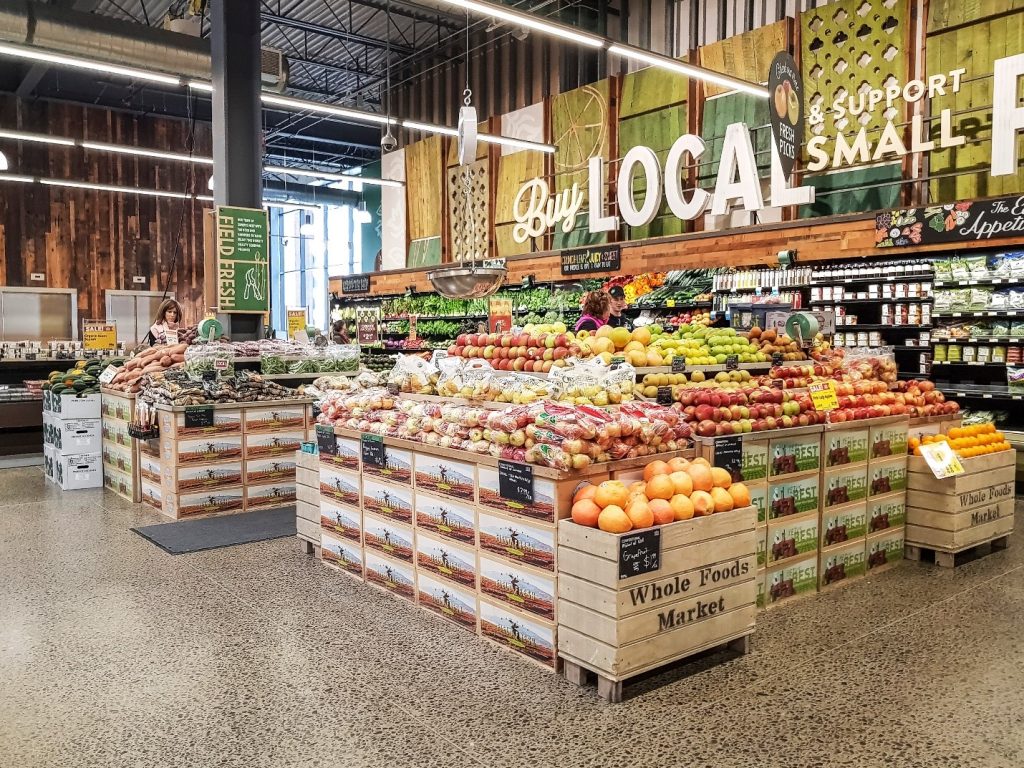
American consumers are once again expressing growing unease about the state of the economy, specifically due to renewed concerns over inflation. This sentiment marks a significant shift after several months of improving confidence. A recent University of Michigan survey shows that consumer sentiment has fallen, driven by heightened anxieties about rising prices. This change in attitude is not just a fleeting emotion; it’s a reflection of deeper worries about purchasing power and the future of the job market.
A key factor in this renewed pessimism is the increase in inflation expectations. Both short-term and long-term forecasts for inflation have risen, indicating that consumers are bracing for persistent price pressures. This is a crucial metric that the Federal Reserve and economists watch closely, as rising expectations can become a self-fulfilling prophecy. When consumers and businesses anticipate higher prices, they often take actions, such as preemptively raising prices or demanding higher wages, that can fuel a cycle of inflation.
Though worries are increasing, consumer spending has currently stayed strong. The latest reports on retail sales show that Americans continue to spend, especially on non-essential items. Nevertheless, this expenditure seems to contradict the «soft» data from surveys regarding consumer confidence. This inconsistency points to a complicated economic landscape; people are reporting concerns yet haven’t started reducing their spending. This may be due to elements such as a robust job market and an inclination to buy before prices increase more.
The disparity between how consumers feel and how they spend is a pattern that experts are monitoring attentively. Although consumer sentiment typically predicts upcoming expenditures, instances occur where «concrete» financial statistics like retail sales paint a contrasting picture. This situation underscores the distinct obstacles of today’s economic environment, where conventional economic theories are being challenged by multiple elements, among them ongoing inflationary pressures and an apparently strong labor market. The major concern for economists is whether this capacity to sustain spending will endure despite decreasing consumer confidence.
The underlying factors driving consumer nervousness are complex and multifaceted. The renewed trade tensions have also contributed to the public’s anxiety. While some tariffs have been paused or negotiated, the overall level of import taxes remains high, and consumers are concerned that these will eventually translate into higher prices for everyday goods. This uncertainty, combined with a weakening jobs report, has created a sense of unease that is beginning to affect consumer behavior, with some households already planning to scale back on big-ticket purchases and dining out.
The ongoing economic environment poses a major difficulty for those shaping policy. The Federal Reserve, specifically, finds itself in a difficult position. It faces a decision on whether to lower interest rates to boost economic growth or maintain high rates to fight inflation. An incorrect choice might lead to severe outcomes, possibly driving the economy into a downturn or letting inflation persist. The changing public opinion and the mixed economic indicators increase the intricacy of this choice, complicating efforts for authorities to determine a definite course. The direction of the U.S. economy will probably hinge on the resolution of these competing dynamics.
In the midst of this uncertainty, consumers are making conscious choices to manage their budgets. Many are reportedly trading down to cheaper store brands, buying in bulk, and cutting back on non-essential spending, such as vacations and eating out. This behavior, while not yet a full-blown pullback, is a clear sign that the public is feeling the pinch of higher prices and is adjusting their spending habits accordingly. These small, individual decisions, when aggregated across millions of households, have the potential to significantly impact the broader economy in the months to come.
The changing sentiment among consumers serves as a compelling reminder that economic health extends beyond mere statistics. It encompasses individuals’ perceptions of their personal financial situations and future expectations. The renewed apprehension regarding inflation, despite steady consumer spending, reflects an underlying unease that might ultimately trigger a more pronounced economic downturn. Present circumstances require careful management, and the American consumer’s outlook, along with the broader economy, continues to be marked by unpredictability and worry.

_(1).jpg "Ficohsa strengthens its regional leadership in the MERCO 2025 Rankings")
.jpg "Panamá Oeste")