The city of Hiroshima solemnly commemorated the 80th anniversary of the world’s first atomic bombing, an event that forever changed the course of human history. On this somber occasion, survivors, their descendants, and international visitors gathered at the Peace Memorial Park to honor the victims and renew calls for nuclear disarmament. The annual ceremony took on special significance this year as the number of remaining hibakusha (atomic bomb survivors) continues to dwindle, making their testimonies increasingly precious.
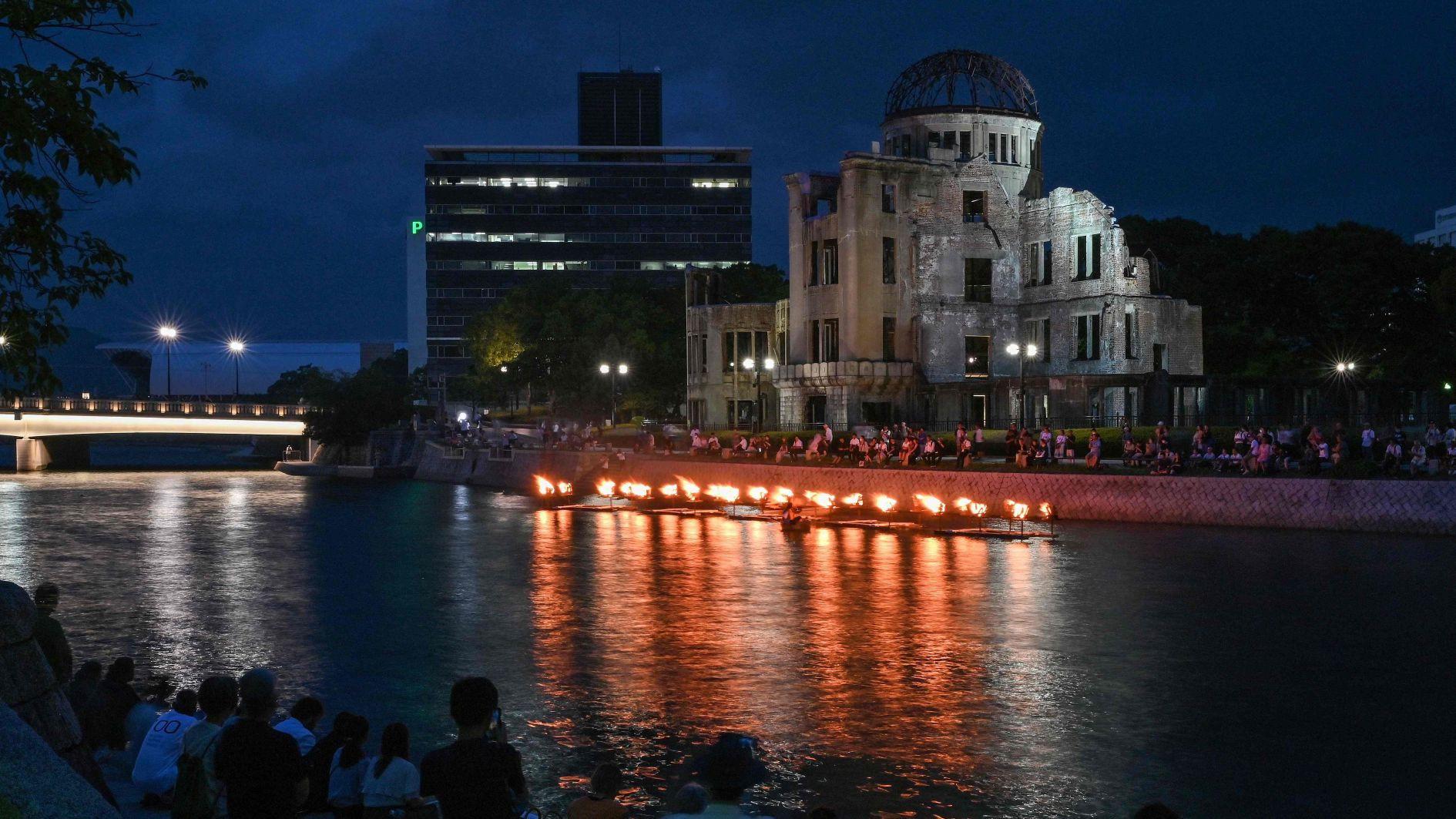
At exactly 8:15 am—the time when the explosion occurred on August 6, 1945—a moment of silence filled the memorial area. The Peace Bell’s deep sound noted the minute when the uranium bomb, called «Little Boy,» detonated about 600 meters over the city, immediately causing the death of around 70,000 individuals and eventually resulting in more than 140,000 casualties by the conclusion of 1945. The memorial activities featured the customary release of lanterns along the Motoyasu River, representing the spirits’ journey to the next world.
This year’s memorial carried particular urgency as geopolitical tensions have raised concerns about nuclear proliferation. Hiroshima’s mayor used his annual Peace Declaration to warn against complacency in nuclear disarmament efforts, noting that current global nuclear arsenals still possess catastrophic destructive potential. He emphasized how Hiroshima’s tragic experience offers indispensable lessons for humanity in an era when the risk of nuclear conflict has resurfaced after decades of relative stability.
Survivors recounted moving stories about the immediate aftermath of the bombing—the unimaginable destruction, the distressing quest to find family members among the debris, and the agony caused by radiation illness in the weeks and months that followed. These personal narratives gained additional significance as organizers aimed to safeguard these memories through digital archives and educational initiatives, guaranteeing that future generations comprehend the human toll of nuclear weapons.
The commemorative event also emphasized the impressive change of Hiroshima from a ruined land to a flourishing contemporary city that serves as an international emblem of peace and perseverance. Reconstruction initiatives over the years have established a lively urban hub while painstakingly maintaining specific bomb-affected landmarks like the famous Atomic Bomb Dome, which stands as a strong visual testament to that tragic day.
International representatives from countries with and without nuclear capabilities were present at the event, contemplating how the disaster in Hiroshima eventually resulted in the Treaty on the Non-Proliferation of Nuclear Weapons (NPT) and later disarmament treaties. Nonetheless, numerous speakers voiced their worries regarding recent hurdles in nuclear diplomacy and the upgrading of nuclear stockpiles by various countries.
Educational efforts were a significant component of the anniversary celebrations. The Hiroshima Peace Memorial Museum introduced fresh displays that highlight the enduring health consequences faced by survivors, such as heightened cancer risks and psychological trauma that spans multiple generations. Unique programs involved youth in peace education, stressing their prospective part in upholding nuclear security measures and advancing diplomatic resolutions to global disputes.
The anniversary also prompted reflection on the complex historical context surrounding the bombing decision. Historians participated in panel discussions examining the geopolitical circumstances of 1945, the development of nuclear technology during wartime, and the ethical questions that continue to surround the use of atomic weapons. These academic exchanges aimed to foster nuanced understanding rather than simplistic judgments about this pivotal moment in world history.
Cuando cayó la noche, miles de linternas de papel iluminaron el río que pasa por el Peace Memorial Park, creando un espectáculo impresionante de recuerdo. Esta hermosa tradición, iniciada por los sobrevivientes en los primeros años tras el bombardeo, se ha convertido en uno de los actos conmemorativos más emocionantes de Hiroshima, contando con la participación de personas de todo el mundo que se unen a este gesto simbólico de paz y reconciliación.
The 80th anniversary acted as a reminiscence of the past while also urging for future initiatives. Given the ongoing nuclear tensions in various parts of the world and the pressure on arms control treaties, the peace message from Hiroshima stood out strongly. The planners of the event highlighted that recalling the events of August 6, 1945, is essential not only for paying tribute to history but also for safeguarding the future of humanity from committing its most severe errors again.
As the day of remembrance came to a close, the message from Hiroshima to the global community was unmistakable: nuclear arms should never be deployed again, and fully eradicating them is the sole assurance against future incidents like Hiroshima. The city’s journey from being the epicenter of destruction to becoming a champion of global peace is a powerful example of human strength and the potential for healing, even after immense catastrophe.