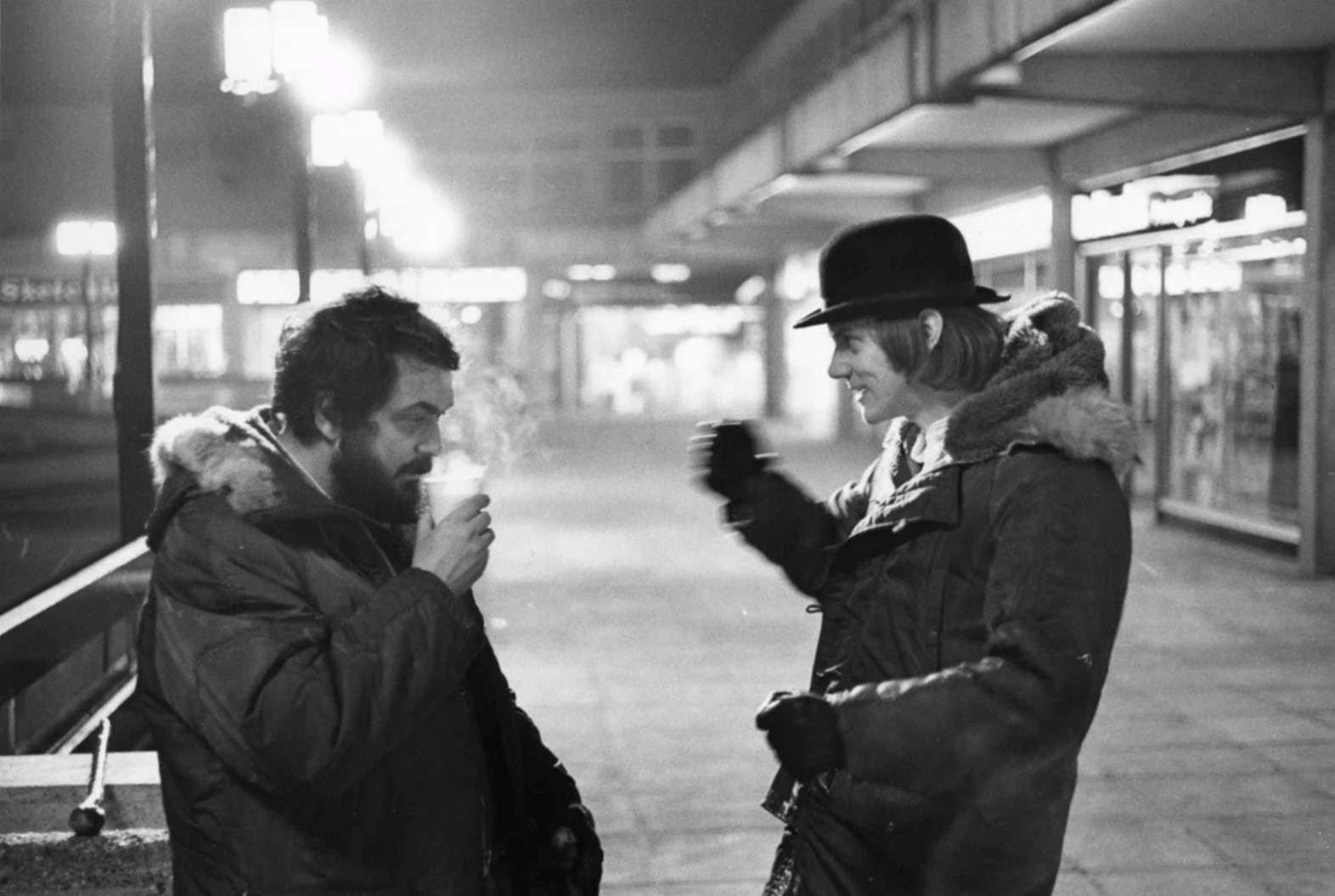
Stanley Kubrick’s A Clockwork Orange (1971) represents a groundbreaking work in dystopian film, marked by bold stylistic decisions and deep thematic exploration. Based on Anthony Burgess’s 1962 book, the movie’s effect is seen in visual style, storytelling, societal critique, and the advancement of genre norms. Analyzing its significance includes looking at its instant cinematic breakthroughs and its lasting impact on later dystopian stories.
Stylization and Cinematic Language
One of the most significant contributions A Clockwork Orange made to dystopian cinema lies in its pioneering visual style. Kubrick’s meticulous attention to composition, use of stark whites and garish colors, and innovative set design created a setting both alien and uncomfortably familiar. The urban landscape, blending futuristic elements with decaying architecture, projected a society neither wholly fantastical nor easily recognizable—a vision emulated by later classics such as Blade Runner and Brazil.
The film’s memorable use of classical music, juxtaposed with acts of violence, magnified the cognitive dissonance at the heart of the dystopian vision. This interplay between sound and image, as seen in scenes like Alex DeLarge’s rendition of “Singin’ in the Rain,” established a template for using irony and contrast as narrative tools in dystopian cinema. Subsequent filmmakers would echo this technique to underscore the perversity of state-sanctioned or systemic violence.
Undermining Conventional Story Empathy
Kubrick’s adaptation refuses simple characterization: the protagonist, Alex, is both a perpetrator and a victim. This ambiguous morality compelled audiences to interrogate their own complicity and discomfort, a trope that elevated dystopian cinema beyond black-and-white political parables. By engineering a complex audience-paradox, where viewers are persuaded to empathize with an antihero subjected to dehumanizing state interventions, the film set a precedent for psychological complexity in dystopian protagonists, influencing works like Children of Men and the Black Mirror series.
Socio-Political Critique and Satire
A Clockwork Orange dissected the interplay between free will, governmental power, and the ethics of social engineering. The Ludovico Technique—intended to “cure” Alex’s violent inclinations—embodies the dangers of state overreach and questions the cost of social conformity. Kubrick’s unflinching portrayal of psychological manipulation, stripped of utopian pretense, reframed dystopian cinema’s critique from collective catastrophe to intimate, individualized suffering. This shift catalyzed a new wave of films focusing on personal autonomy and resistance, such as Gattaca and V for Vendetta.
Moreover, Kubrick’s veneer of satirical absurdity foregrounded the genre’s potential for dark humor and farce. The film’s stylized slang, derived from the novel’s Nadsat language, not only disorients viewers but also underscores the malleability of youth culture—an aspect that films like Repo Man and Trainspotting would also explore within dystopian or subversive frameworks.
Resonance and Heritage Impact
Critical and popular responses to A Clockwork Orange triggered debates over censorship, artistic responsibility, and the portrayal of violence, influencing public perception of what dystopian cinema could ethically and artistically depict. Its temporary withdrawal from British cinemas, combined with its later reinstatement and reinstatement as an academic subject, exemplifies how it recalibrated the boundaries of cinematic expression. The controversy it generated prompted cinematic and scholarly discourse about the function and effects of violence in media, a cornerstone topic in dystopian film studies.
In a visual sense, the turban hats, codpieces, and white outfits worn by the film’s droogs became part of popular culture, impacting designers, musicians, and filmmakers equally. The film’s bold imagery was used in music videos, fashion photoshoots, and ad campaigns to convey a feeling of rebellious irreverence or a sense of futuristic decline, further intertwining dystopian storytelling with modern aesthetics.
Impact on Subsequent Dystopian Movies
A Clockwork Orange‘s striking visuals and storytelling innovation paved the way for filmmakers exploring themes of control, autonomy, and systemic violence. Its influence can be seen in movies such as THX 1138, RoboCop, The Purge, and Clockers (a Spike Lee movie subtly nodding to Kubrick’s methods). Academics often reference Kubrick’s film as a seminal piece in analyses of the surveillance society, psychological manipulation, and juvenile misbehavior.
The movie’s lasting impact can be seen in media that combine strong artistic style with intense social critique—traits now nearly inseparable from the dystopian genre. Viewers anticipate creative daring and complex moral narratives, standards set by Kubrick’s milestone adaptation.
A standard for dystopian movies
The contributions of A Clockwork Orange to dystopian cinema are both multi-faceted and profound. The film expanded the visual and thematic language of the genre, deepened its philosophical provocations, and invited audiences into uncomfortable ethical terrain. It redefined expectations of dystopian storytelling, setting a template for confrontational, stylistically adventurous narratives that continue to challenge and resonate with viewers and creators alike. Through its daring fusion of artistry and social criticism, A Clockwork Orange endures as both a touchstone and a provocation for all who seek to understand—and expand—the frontiers of dystopian cinema.