Normcore emerged in the early 2010s as a fascinating fashion movement defined by its preference for plain, everyday attire that appears intentionally ordinary. This approach deliberately sidesteps standout elements, favoring a style that feels purposefully average. Drawing from the word «normal» and the stylistic suffix «core,» normcore highlights the appeal of simplicity and the visual language of the commonplace.
How Normcore First Emerged
The term normcore rose to wider recognition after the trend-forecasting collective K-HOLE featured it in a 2013 report. That document pointed to a cultural moment in which striving to stand out or appear exceptional was no longer universally sought. Instead, many found equal or greater appeal in the comfort of blending in and feeling part of a shared community. This concept did not reject fashion nor imply an absence of taste; it emphasized the sense of ease discovered through embracing uniformity. By opting for clothing that merges seamlessly with the crowd, people are described as gaining relief from the ongoing demand for overt self-expression.
Key Traits of Normcore Fashion
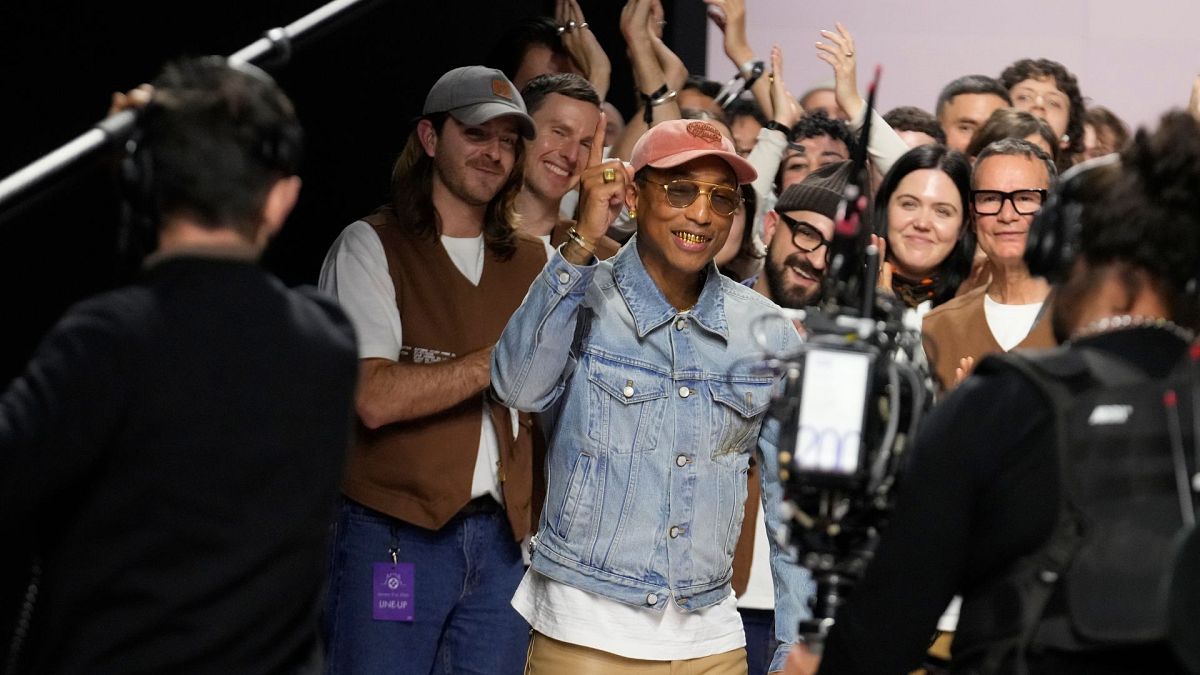
Normcore fashion is characterized by unpretentious, fuss-free clothing. Key items often include plain T-shirts, straight-leg jeans, hoodies, sneakers, and other staples that have been part of mainstream casual wear for decades. The color palette tends to be neutral and understated, with a focus on practicality over statement. The very essence of normcore lies in its rejection of brand obsession and the inclination to blend into rather than stand out from the crowd.
Steve Jobs, widely recognized for his iconic black turtleneck paired with blue jeans, is often viewed as an early embodiment of the normcore aesthetic, as his practical and steady wardrobe reflected the spirit of the style well before it was officially identified as a trend.
Normcore in a Cultural Context
At its core, normcore is as much a cultural movement as it is a fashion statement. It reflects a broader societal desire to strip away the superficial layers of identity often projected through fashion. In a world saturated with digital personas and curated images, normcore represents an escape from the constant buzz of individualism, providing a sense of solace in unexceptional attire.
Moreover, normcore’s emergence has overlapped with the digital era’s comfort with memes and irony, and the style has been adopted by people who recognize its subtle humorous intent; they value the contrast created by appearing intentionally unremarkable within a culture that frequently celebrates the boldly eccentric.
Normcore Across Mainstream Media and Brand Culture
Normcore has surfaced in numerous corners of mainstream media. Public figures like Jerry Seinfeld and Steve Jobs, even before the term’s inception, embodied the normcore aesthetic through their understated clothing choices. Today, many brands aim to capture the essence of normcore by providing intentionally unobtrusive apparel. Companies such as Uniqlo and Gap are widely associated with simple, affordable garments.
Despite its understated appearance, normcore continues to evolve, occasionally reemerging with subtle shifts that reflect its adaptability to current societal moods. By choosing normcore clothing, individuals consciously or subconsciously push back against the ever-competitive nature of high fashion and consumerism.
Normcore, with its roots in the pursuit of authenticity and community, challenges the norms of fashion by embracing ordinary elegance. It encourages people to question the importance of individuality through attire and invites them to find identity beyond the threads they wear. As fashion trends come and go, normcore remains a compelling reminder of the beauty found in simplicity and the unexpected freedom discovered when one chooses to blend in rather than stand out.