
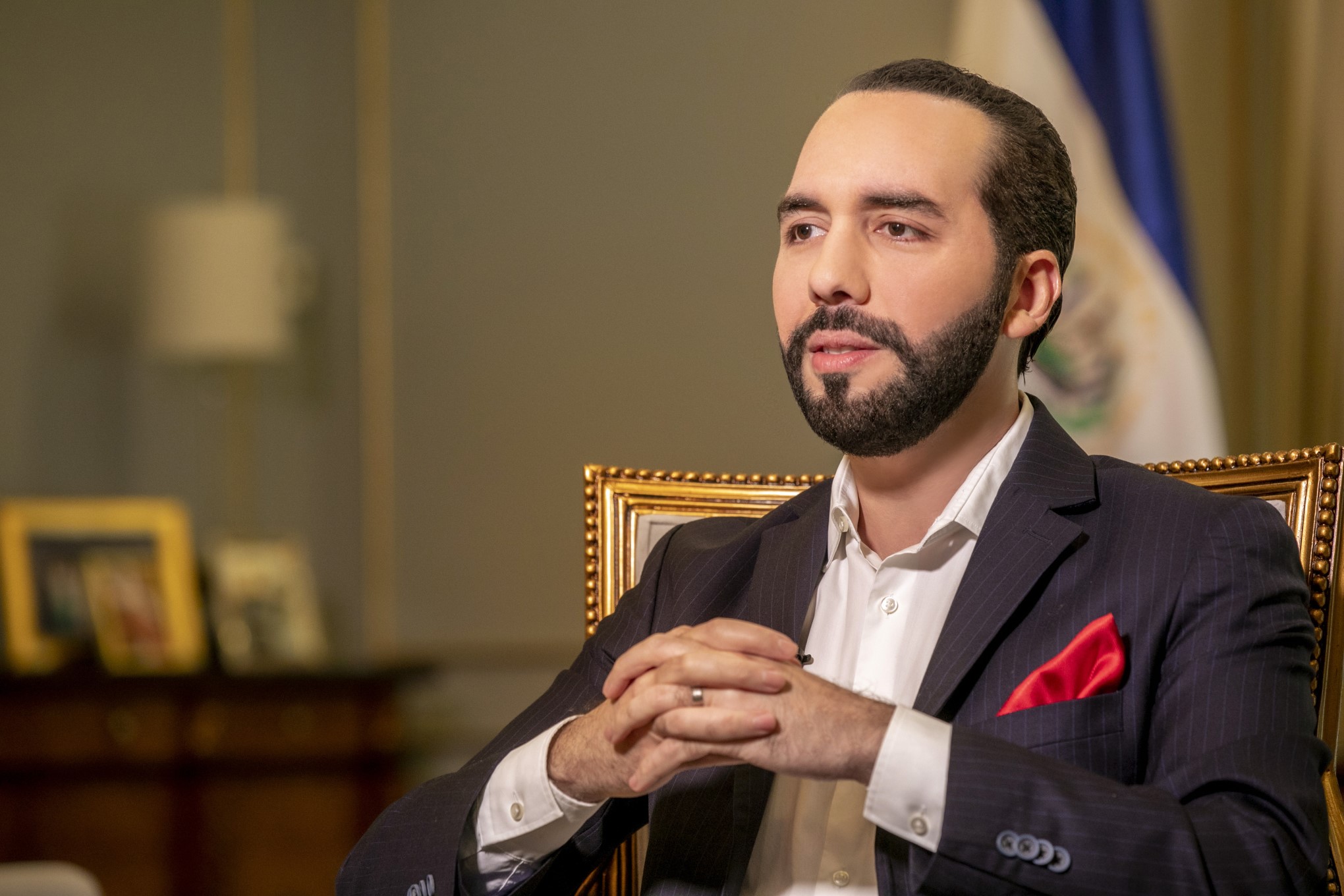
Over the past few years, El Salvador has garnered worldwide interest not only due to its extensive security measures but also because of the departure of political leaders and activists declaring they no longer feel secure in their home country. As President Nayib Bukele’s administration continues to strengthen control, numerous individuals who were once influential in the nation’s public sphere are looking for safety outside the nation, expressing worries that El Salvador might be dangerously close to reliving its troubling historical periods.
This growing wave of political exile reflects deep unease about the direction of El Salvador’s governance. While the official narrative points to national progress and crime reduction, many former officials, judges, lawyers, journalists, and civil society leaders argue that constitutional norms and democratic institutions are being eroded in the process. From their new homes in neighboring countries or further afield, they speak of an environment back home that has become increasingly intolerant of dissent.
Several of these individuals had long careers in public service or social advocacy. Some had aligned themselves with political parties, while others worked independently to strengthen rule of law or push for accountability. Many now find themselves outside the country not by choice but by necessity, after receiving threats, facing legal action they believe to be politically motivated, or fearing imprisonment under vague charges.
For these exiled Salvadorans, the pattern they describe feels all too familiar. They reference the authoritarian practices of past decades, when government critics were surveilled, harassed, or silenced. Today, they say, there are echoes of that past in the consolidation of power by the executive branch, the weakening of judicial independence, and the use of state institutions to go after perceived opponents.
The unique aspect of the present time lies in the rapid pace and range of these advancements. Bukele, who gained recognition with his focus on fighting corruption and change, has significantly altered El Salvador’s political scene through daring—and contentious—actions. Despite his administration enjoying strong popularity at home, partly thanks to a firm stance against gang violence, opponents caution that the cost of improved safety is the weakening of fundamental democratic protections.
An issue of dispute concerns the prolonged state of emergency, initially established to tackle criminal groups. While this measure has resulted in numerous arrests and a noticeable decrease in street crime, it has been criticized by human rights defenders for potentially enabling misconduct. Alarming reports of arbitrary arrests, absence of due process, and poor treatment in custody have surfaced, causing concern both inside and outside El Salvador.
Those now living in exile say the government is not only targeting gang members but also anyone seen as a challenge to its authority. Legal professionals who ruled against government interests, journalists who uncovered inconvenient facts, and politicians who voiced criticism have all found themselves in precarious situations. In many cases, they were stripped of protections, removed from their posts, or faced legal inquiries soon after speaking out.
For some, fleeing the country was the only viable option. The fear was not only of prosecution, but of persecution—being treated not as citizens with rights, but as enemies of the state. In interviews and public statements, exiles describe how they had to make difficult decisions: leaving families, abandoning careers, and rebuilding lives in unfamiliar environments.
Although they are far from El Salvador, numerous individuals still feel a strong bond with its future. They persist in voicing their opinions, coordinating from other countries, and highlighting changes they view as risks to the nation’s democratic principles. Concurrently, they experience sorrow and annoyance from being labeled as traitors by the administration they previously supported.
Some have formed alliances with international organizations or found platforms in foreign media to share their perspectives. Their stories offer a counterpoint to the official government narrative and reflect the complex, often painful choices faced by those who resist political pressure. For them, this moment in El Salvador’s history is not just a political crisis—it’s a personal reckoning.
Observers note that the growing list of exiles points to a deeper shift in the country’s political culture. While Bukele’s supporters celebrate what they see as decisive leadership, others see a narrowing space for debate, accountability, and lawful opposition. The departure of experienced voices from the public sphere may also have long-term consequences for governance and democratic stability.
This flight of dissidents also raises broader regional and international concerns. The trend mirrors developments in other countries where power has become increasingly centralized and critics have been pushed out. Diplomatic and human rights communities are watching closely, balancing recognition of the government’s success in fighting crime with growing unease over its authoritarian tendencies.
El Salvador’s history is marked by periods of political violence, civil conflict, and repression. For those now in exile, the comparisons are not made lightly. Many recall the devastating impact of silencing opposition in the past and fear that the country is heading down a similar path—one in which dissent is criminalized and democracy becomes an empty formality.
However, even outside their homeland, hope persists. Those now vocalizing from a distance are driven by a resolve to defend democratic values. They hold firm that responsibility, openness, and adherence to legal frameworks are necessary, even during challenging periods. Their continuous efforts demonstrate a conviction that El Salvador’s future must welcome those who question authority, not push them aside.
Whether the country can strike a balance between security and freedom, and whether it can preserve the institutions that sustain democracy, remains to be seen. But for those watching from outside, one thing is clear: the lessons of history are being invoked not to divide, but to warn, and to urge a return to a political culture that values inclusion, dialogue, and respect for rights.
As more political figures and activists continue to leave, the question lingers: Can a country truly be free if its critics feel they must flee to be safe? For El Salvador, the answer may define not just the present, but the shape of its future.


