
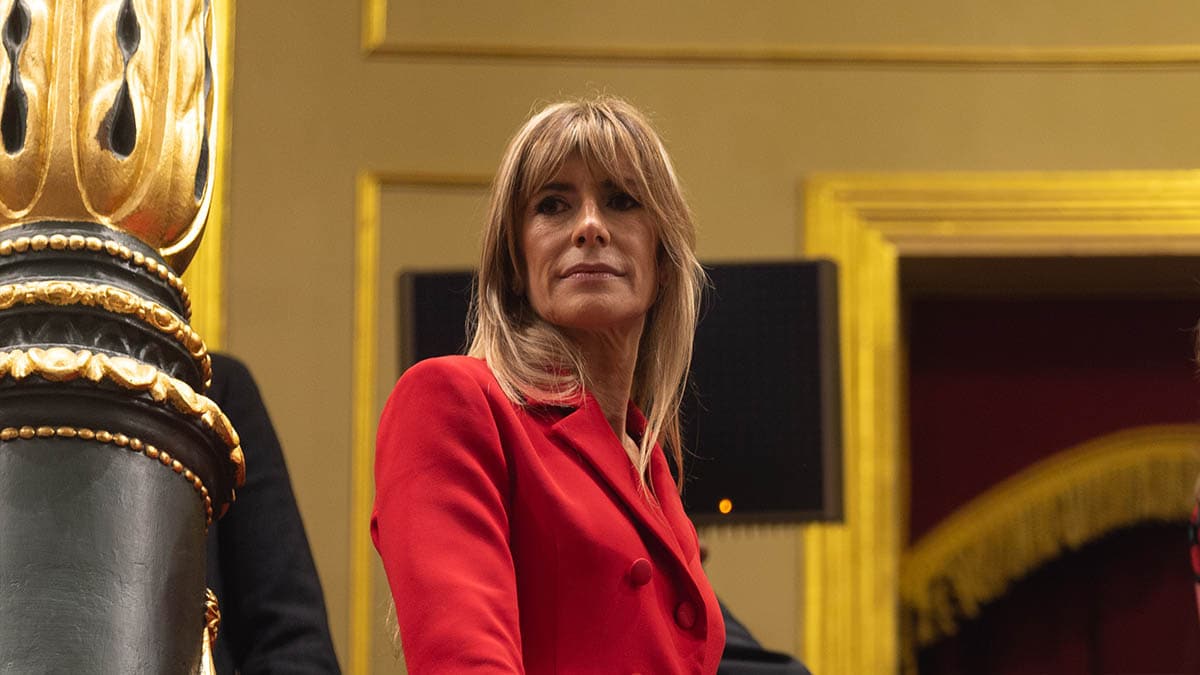
The legal focus on Begoña Gómez, wife of Spain’s Prime Minister Pedro Sánchez, has grown stronger. She is presently under official scrutiny for suspected influence trading, corruption in business, misuse of public finances, and misappropriation. This marks the first time in the history of Spain’s democracy that the spouse of a current Prime Minister is undergoing judicial actions while her husband is still in power.
The University Chair at the Heart of the Case
The case revolves around Gómez’s role as director of the Chair of Competitive Social Transformation at the Complutense University of Madrid. According to investigators, Gómez allegedly used her academic position to promote specific companies in public procurement processes, leveraging her proximity to the executive branch.
It has been reported that these companies obtained government contracts on favorable terms after joining activities or initiatives either hosted by the Chair or endorsed by Gómez. This blend of institutional, academic, and private sectors lays the groundwork for the allegations of influence peddling and corruption.
Embezzlement and Misappropriation Allegations
The inquiry continues to advance. Officials are looking into whether Gómez employed public assets for illegitimate uses, which includes unusual hiring methods and the private registration of software created with government financing. Such actions might represent theft and improper allocation, broadening the legal implications of the situation.
Of particular concern is that part of the funding in question may have originated from European Union grants, prompting the European Public Prosecutor’s Office to request formal documentation on the matter.
Silencio Institucional y Control Político
The response from the Prime Minister’s office has been restricted to general appeals for respecting judicial independence. Pedro Sánchez has refrained from offering a specific opinion on the case, while the PSOE has publicly stayed neutral—neither supporting Gómez nor criticizing her actions. This lack of commentary has been seen by many as an effort to manage a potential scandal with significant ethical consequences.
Isolated Incident or Symptom of a Pattern?
The probe concerning Begoña Gómez is not isolated. It aligns with other ongoing cases associated with Sánchez’s close affiliates, such as his sibling David Sánchez and prominent PSOE members, including Santos Cerdán. The concurrent revelation of these controversies implies more than mere chance—it prompts worries about a more extensive system where public and personal interests might have been consistently mixed for individual benefit.
The investigation concerning Begoña Gómez poses a significant test for the government and the credibility of public institutions. This case transcends personal criminal accountability; it questions whether political, academic, and economic frameworks have been manipulated to establish influence networks immune to scrutiny.
As the investigation unfolds, the credibility of the government continues to erode. The promise of democratic renewal that once defined Pedro Sánchez’s leadership is now being tested by allegations of privilege, silence, and institutional opacity at the highest levels of power.


