Methane detection technology is evolving at an unusually rapid pace, outpacing many other environmental monitoring tools. This acceleration is not accidental. It is driven by a convergence of climate urgency, regulatory pressure, technological breakthroughs, and economic incentives that make methane both a critical problem and a solvable one. Understanding these forces explains why innovation in this field is happening faster than ever before.
The Climate Impact of Methane Has Become Impossible to Ignore
Methane is responsible for roughly 30 percent of global warming since preindustrial times. Although it persists in the atmosphere for a shorter period than carbon dioxide, it is more than 80 times as powerful at trapping heat over a 20-year timeframe. This combination of high impact and short atmospheric lifetime makes methane reduction one of the fastest ways to slow near-term warming.
Scientific assessments and prominent climate reports have heightened global focus on methane, and policymakers along with industry leaders now increasingly acknowledge that identifying and repairing methane leaks can yield swift climate gains, driving a rapid rise in the need for precise, scalable, real-time detection systems.
Stricter Regulations Are Creating a Strong Market Signal
Governments around the world are introducing tighter methane regulations, especially for oil, gas, waste, and agriculture. These policies often require regular monitoring, reporting, and verification of emissions.
Examples of regulatory drivers include:
- Compulsory programs for detecting and fixing leaks across energy infrastructure
- Emission disclosure obligations connected to operational permitting
- Import regulations that impose penalties on fuels with elevated methane intensity
- Public transparency requirements aligned with environmental, social, and governance metrics
Compliance has become mandatory, and organizations unable to quantify methane precisely may incur penalties, encounter operational setbacks, and suffer reputational harm; this predictable regulatory landscape has stimulated private investment and sped up product innovation.
Advances in Sensors, Optics, and Materials Science
Modern methane detection systems benefit from breakthroughs in multiple scientific fields. Miniaturized sensors, improved lasers, and advanced materials now allow detection at lower concentrations and across wider areas.
The primary technical enhancements encompass:
- Laser-based spectroscopy that identifies methane by its unique light absorption signature
- Optical gas imaging cameras capable of visualizing invisible methane plumes in real time
- Low-power solid-state sensors suitable for continuous monitoring in remote locations
- Improved calibration stability that reduces false positives and maintenance costs
These advances make detection systems more accurate, more durable, and significantly cheaper than earlier generations.
Satellites and Airborne Platforms Are Reshaping Scope and Clarity
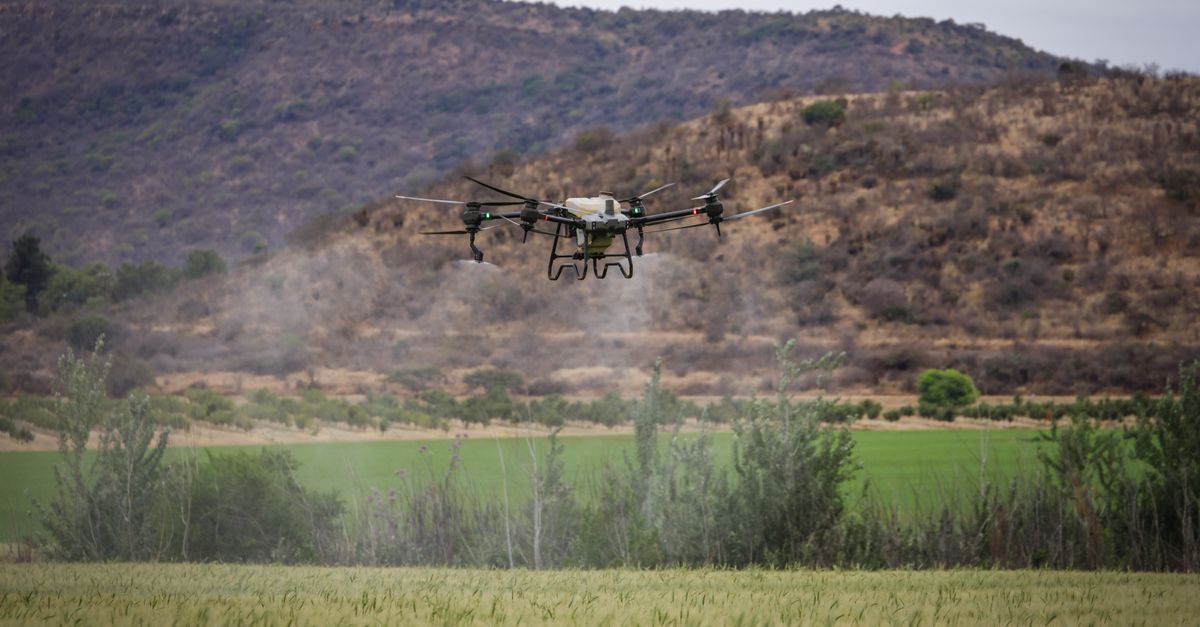
One of the most important shifts in methane detection is the move from ground-based inspections to large-scale monitoring from the air and space. High-resolution satellites, aircraft, and drones can now detect methane emissions across entire regions.
Satellite-based systems are capable of:
- Identify large emission sources anywhere on the planet
- Track changes over time to verify mitigation efforts
- Provide independent data that increases transparency and accountability
Aerial platforms fill the gap between satellites and ground sensors, offering flexible deployment and high spatial resolution. Together, these tools allow operators and regulators to see methane emissions that were previously invisible or underestimated.
Artificial Intelligence Is Turning Data Into Action
Methane data volumes have surged, yet raw figures by themselves fall short; interpreting intricate signals and uncovering significant trends increasingly relies on artificial intelligence coupled with advanced analytics.
AI systems are now used to:
- Differentiate methane from other gases and surrounding interference
- Identify leak points and approximate their emission levels
- Rank repair actions by cost, risk, and environmental impact
- Streamline regulatory reporting and verification
By reducing analysis time from weeks to minutes, AI makes methane detection operationally practical rather than purely diagnostic.
Economic Incentives Align With Environmental Goals
Methane serves as the main constituent of natural gas, a resource with clear commercial worth, so any unmanaged leak translates into lost product. As energy prices shift and profit margins narrow, companies gain a direct financial incentive to rapidly identify and repair emissions.
In many cases, the cost of detection technology is lower than the value of the recovered gas. When combined with avoided regulatory penalties and improved public trust, the return on investment becomes clear. This alignment of economic and environmental incentives is rare and powerful.
Corporate Responsibility Shaped by Public Oversight
Investors, consumers, and insurers are paying closer attention to methane performance. Independent detection data has revealed emissions that were far higher than previously reported, creating pressure for better measurement and transparency.
Companies are responding by adopting advanced detection systems to:
- Demonstrate credible climate commitments
- Reduce reputational risk
- Support verified emissions reductions
As public scrutiny increases, so does the incentive to use the best available technology.
A Rapid Feedback Loop Between Policy, Science, and Industry
Methane detection is advancing rapidly, as progress made in one field quickly amplifies developments in the others; enhanced scientific knowledge shapes more robust policy, stronger policy stimulates market demand, that demand fuels technological breakthroughs, and each new wave of innovation uncovers additional emissions, setting the cycle in motion again with greater accuracy.
This feedback loop has created a rare moment where climate urgency, technical feasibility, and economic logic all point in the same direction. Methane detection technology is not just improving because it can, but because the world increasingly depends on it to deliver fast, measurable climate results while reshaping how emissions are understood and managed.