
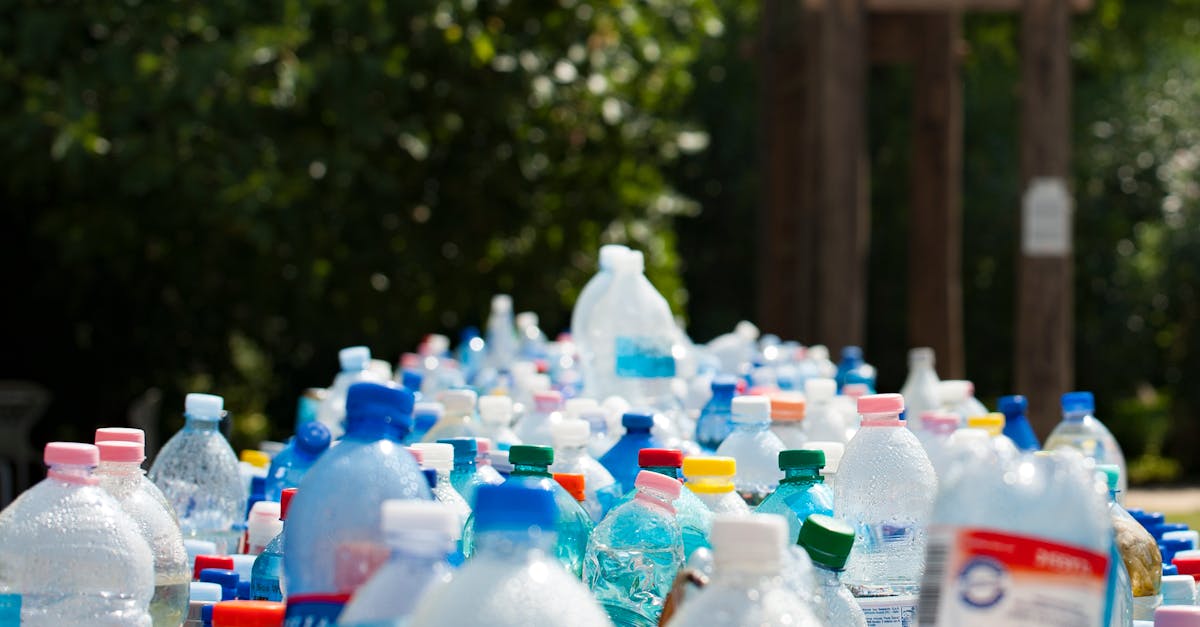
Plastic recycling is often presented as the silver bullet for plastic pollution. The reality is more complex. Recycling matters, but it cannot by itself stop plastic pollution because of technical, economic, behavioral, and systemic limits. This article explains those limits, provides evidence and cases, and outlines complementary strategies that must run alongside recycling to produce real change.
The current scale: production, waste, and what recycling actually achieves
Global plastic output has climbed to more than 350 million metric tons per year in recent times, and a pivotal review of historical production and disposal showed that by 2015 only about 9% of all plastics had been recycled, roughly 12% had been burned, while the remaining 79% had built up in landfills or the natural world. This review reveals a pronounced gap between how much plastic is produced and what recycling systems can realistically retrieve. Current estimates suggest that poorly managed waste leaks between 4.8 to 12.7 million metric tons per year into the oceans, demonstrating that large amounts of plastic bypass formal recycling channels entirely.
Technological limits: materials, contamination, and the obstacles posed by downcycling
- Not all plastics are recyclable: Conventional mechanical recycling performs optimally with relatively clean, single-polymer materials like PET bottles and HDPE containers. Multi-layer packaging, various flexible films, and thermoset plastics remain challenging or unfeasible to process at scale through this method.
- Contamination reduces value: Food remnants, mixed polymers, adhesives, and colorants compromise recycling streams. When contamination is high, entire loads may lose viability for recycling and must instead be diverted to landfilling or incineration.
- Downcycling: With each mechanical recycling cycle, polymer quality declines. Recycled plastics frequently end up in lower-performance applications, such as shifting from food-grade bottles to carpet fibers, which postpones disposal but fails to establish a true closed-loop for premium uses.
- Microplastics and degradation: Through weathering and physical stress, plastics break down into microplastics. Recycling cannot recover material already dispersed into soil, waterways, or the air, nor does it address microplastic pollution already present in ecosystems.
- Food-contact and safety restrictions: Regulatory requirements for recycled plastics in food packaging limit the streams that qualify unless extensive and costly decontamination procedures are applied.
Economic and market barriers
- Virgin plastic is frequently less expensive: When oil and gas prices drop, manufacturing new plastic often becomes more economical than gathering, separating, and reprocessing recycled inputs, which in turn weakens the market appetite for recycled materials.
- Restricted demand for recycled material: Even when high-grade recycled resin is available, producers may still choose virgin polymer for performance or compliance considerations unless regulations require the use of recycled content.
- Expenses tied to collection and sorting: Effective recycling depends on dependable pickup networks, sorting infrastructure, and stable marketplaces, all of which involve fixed operational costs that are more difficult to offset when waste streams are scattered or heavily contaminated.
Infrastructure, governance, and leakage to the environment
- Uneven global waste management: Many countries lack adequate collection, landfill controls, or formal recycling infrastructure. In those places, recycling cannot prevent plastics from leaking into rivers and oceans.
- Trade and policy shocks: When major importers of waste change rules—China’s 2018 “National Sword” policies are a prominent example—markets for recyclable materials can collapse overnight, exposing the fragility of relying on international commodity flows for recycling.
- Informal sector dynamics: In many regions, informal waste pickers recover high-value items, but they operate without stable contracts, safety nets, or infrastructure investment that would allow scaling to handle the full waste stream.
The excitement around advancing technology and the limitations that continue to challenge chemical recycling
Chemical recycling is often described as a way to handle mixed or contaminated plastics by converting polymers back into monomers or fuel products, yet important limitations persist:
- Many chemical pathways are energy-intensive and may have high greenhouse gas emissions unless powered by low-carbon energy.
- Commercial scale and economic viability remain limited; many pilot plants have yet to prove sustained operation at scale.
- Some processes produce outputs suitable only for low-value uses or require complex cleanup to meet food-contact standards.
Chemical recycling can serve as a valuable complement to mechanical recycling for difficult waste streams, but it remains far from a universal solution and cannot substitute for cutting consumption.
Case studies and illustrative scenarios that highlight boundaries
- China’s National Sword (2018): By severely restricting contaminated plastic imports, China exposed how much of global recycling depended on exporting low-quality waste. Many exporting countries suddenly had large quantities of mixed plastics with few domestic destinations, leading to stockpiles or increased landfill and incineration.
- Norway’s deposit-return systems: Countries with strong deposit-return schemes (DRS) like Norway achieve very high bottle-return rates—often above 90%—showing that policy design and incentives can make recycling effective for specific stream types. Yet even high DRS performance applies primarily to beverage containers, not to the much larger universe of single-use packaging and durable plastics.
- Marine pollution hotspots: Large flows of mismanaged waste in coastal regions of Asia, Africa, and Latin America demonstrate that recycling infrastructure and governance failures—not a lack of recycling technology per se—drive most ocean leakage.
- Downcycling in practice: PET bottle recycle streams often end up as polyester fiber for non-food uses; these products have shorter useful lives and ultimately become waste again, illustrating the limits of recycling to eliminate material demand.
Why recycling alone cannot function as a comprehensive strategy
- Scale mismatch: Hundreds of millions of metric tons of plastic produced annually cannot be fully absorbed by current recycling systems given contamination, material diversity, and economic constraints.
- Growth trajectory: Plastic production continues to grow. With higher volumes, even ambitious increases in recycling rates will leave large absolute quantities unhandled.
- Leakage and legacy pollution: Recycling does not address plastics already in the environment or microplastic contamination of water and food chains.
- Behavioral and design issues: Single-use mindsets and product designs that prioritize convenience over repairability or recyclability keep generating hard-to-recycle waste.
What must accompany recycling to be effective
Recycling should be part of a broader policy mix and market redesign including:
- Reduction and reuse: Prioritize eliminating unnecessary packaging, shifting to reusable systems (refillables, durable containers, reuse logistics) and promoting product-as-service business models.
- Design for circularity: Standardize materials, reduce polymer diversity in packaging, eliminate problematic additives, and design for disassembly and recyclability.
- Extended Producer Responsibility (EPR): Hold producers financially responsible for end-of-life management to internalize disposal costs and drive better design and collection systems.
- Deposit-return schemes and mandates: Expand DRS for beverage containers and explore refill incentives for a wider set of products.
- Invest in waste infrastructure: Fund collection, sorting, and controlled disposal in regions with high leakage and support integration of informal workers into formal systems.
- Market measures: Require minimum recycled content, provide subsidies or procurement preferences for recycled materials, and remove perverse subsidies for virgin plastics.
- Targeted bans and restrictions: Ban or phase out problematic single-use items where viable alternatives exist and where bans reduce leakage risk.
- Transparency and measurement: Improve material accounting, traceability, and standardized metrics so policy-makers and companies can track progress beyond simple recycling tonnage.
Concrete steps for different actors
- Governments: Establish enforceable goals for reuse and recycled content, broaden DRS initiatives, allocate resources for infrastructure, and roll out EPR systems aligned with clear design criteria.
- Businesses: Reconfigure products to enable reuse and repair, cut down on superfluous packaging, adopt validated recycled-content commitments, and direct capital toward refill or take-back solutions.
- Consumers: Choose reusable alternatives whenever possible, back measures that curb single-use packaging, and avoid improper recycling that disrupts material recovery.
- Investors and innovators: Support scalable waste-management systems, fund practical chemical-recycling trials with transparent emissions tracking, and develop revenue models that reward reuse.
Recycling remains vital, but it cannot fully address the problem on its own because its effectiveness is constrained by material properties, market dynamics, logistical hurdles in collection, and the sheer volume of plastic produced and left in the environment. Achieving a durable answer to plastic pollution requires reconsidering how plastics are manufactured, used, and valued, emphasizing reduction, reuse, improved design, targeted regulation, and strong infrastructure investments alongside progress in recycling technologies. Only by combining these measures can society move beyond merely managing plastic waste and instead curb pollution while allowing ecosystems to recover.


