
For many years, London has been an iconic setting for numerous movies and TV shows. From historical dramas situated in the Victorian era to contemporary suspense stories occurring in its lively streets, the city has been depicted in various styles to audiences worldwide. However, despite its cinematic charm, a lot of these depictions provide a skewed or partial view of London, relying on common stereotypes instead of showcasing the city’s actual diversity and intricacy.
One of the frequent problems with the portrayal of London in mainstream media is the excessive reliance on famous landmarks. Movies and TV programs frequently offer an abridged view of the city, showing characters moving effortlessly from Tower Bridge to Buckingham Palace and then to the London Eye in a matter of minutes. In reality, London’s vast expanse makes such swift travel impossible. This simplification of geography generates a false perception of the city’s operations and the actual connections between its neighborhoods.
Furthermore, the social and cultural diversity that defines modern London is frequently overlooked. Many productions focus on the same affluent, predominantly white areas—such as Notting Hill, Kensington, or the West End—while ignoring the rich variety of communities that make up the city’s fabric. Neighborhoods like Brixton, Hackney, Tottenham, and Southall are rarely represented with the same care or visibility, despite their crucial role in shaping London’s identity.
Alongside the biased depiction of regions and lack of diversity, media often depicts certain facets of London life in an idealized manner, ignoring more urgent social concerns. The city is frequently portrayed as vibrant and sophisticated, rich in style, heritage, and prospects. Although these attributes contribute to London’s essence, they don’t portray the complete reality. Issues like housing costs, social disparities, transportation difficulties, and the everyday experiences of residing in a highly populated city are seldom examined thoroughly.
This sanitized vision is particularly noticeable in genres like romantic comedies and period dramas. Iconic films have painted London as a charming and quaint metropolis where chance encounters and fairy-tale endings abound. Although these stories hold appeal, they contribute to an unrealistic collective imagination of what London is and what life in the city entails. The polished streets and picturesque parks are only one side of a far more complex urban reality.
In a similar way, portrayals of crime in London usually follow expected patterns. TV series frequently depict the city either as a stage for refined criminal geniuses or as the harsh arena of gang wars, with not much subtlety in the middle. The commonality of this division strengthens a limited perspective of metropolitan crime that overlooks the social elements that lead to violence and unlawful actions. Moreover, it further propagates damaging stereotypes about specific communities in London that are already marginalized.
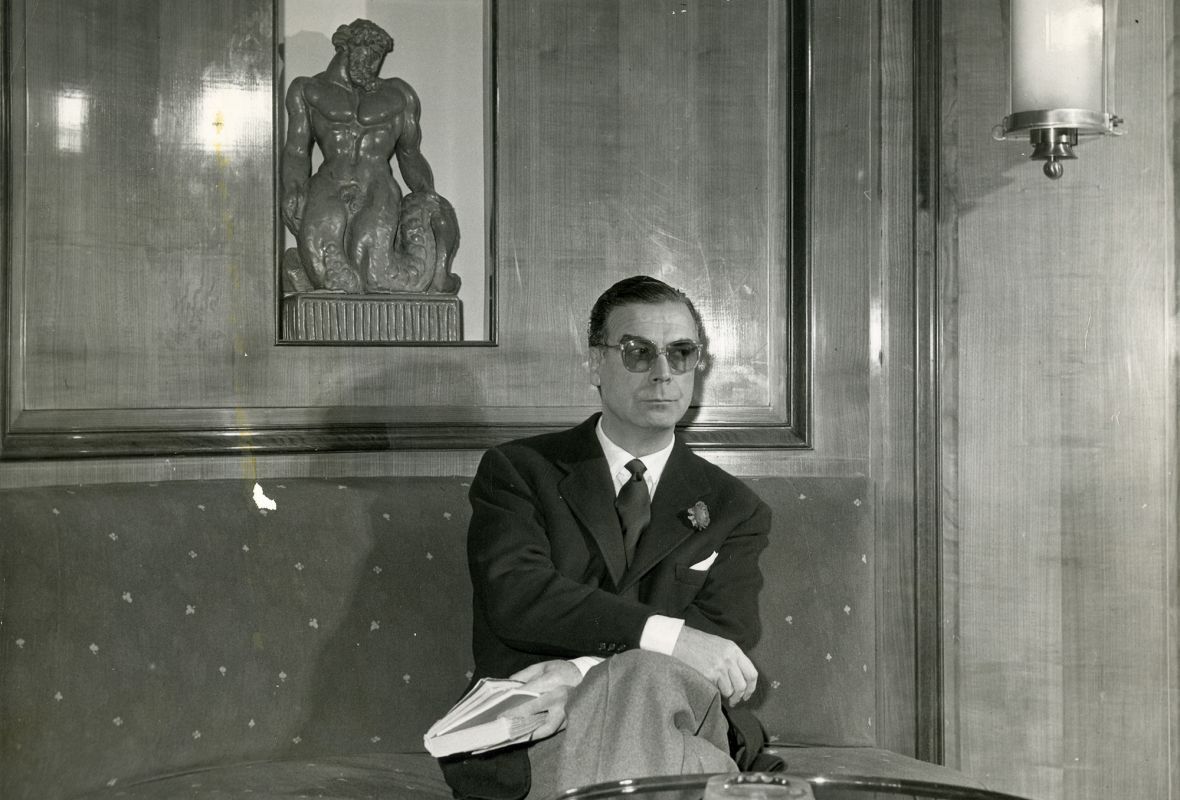
Another significant concern is how London is depicted in historical narratives. Period films tend to emphasize the splendor of the British elite, the luxury of royal existence, or the quaintness of cobblestone roads filled with horse-drawn carts. Although these aspects are undeniably a portion of the city’s history, they often mask the more challenging truths of the era—such as destitution, class conflicts, colonialism, and social inequality. By prioritizing sentimentality over genuine representation, these portrayals may lead to an inaccurate perception of the city’s historical context.
How accents and dialects are portrayed in movies and TV significantly influences perceptions of London residents. The traditional “Cockney” accent, as an example, has often been overstated and satirized in numerous shows, turning into a comedic stereotype instead of an authentic portrayal of the city’s true voices. At the same time, the emergence of multicultural London English—a mixture of diverse linguistic influences that mirrors the city’s variety—is seldom highlighted, despite it being the prevalent speech among many young people in London today.
The effects of these misleading representations go beyond just entertainment. They mold international views of London and affect how visitors, companies, and even the city’s own inhabitants perceive it. For those from other countries, the repeated idealized image of London may lead to expectations that conflict with what they actually experience when they visit. For Londoners, the absence of accurate representation or the continuous reliance on stereotypes might lead to feelings of being overlooked or misunderstood.
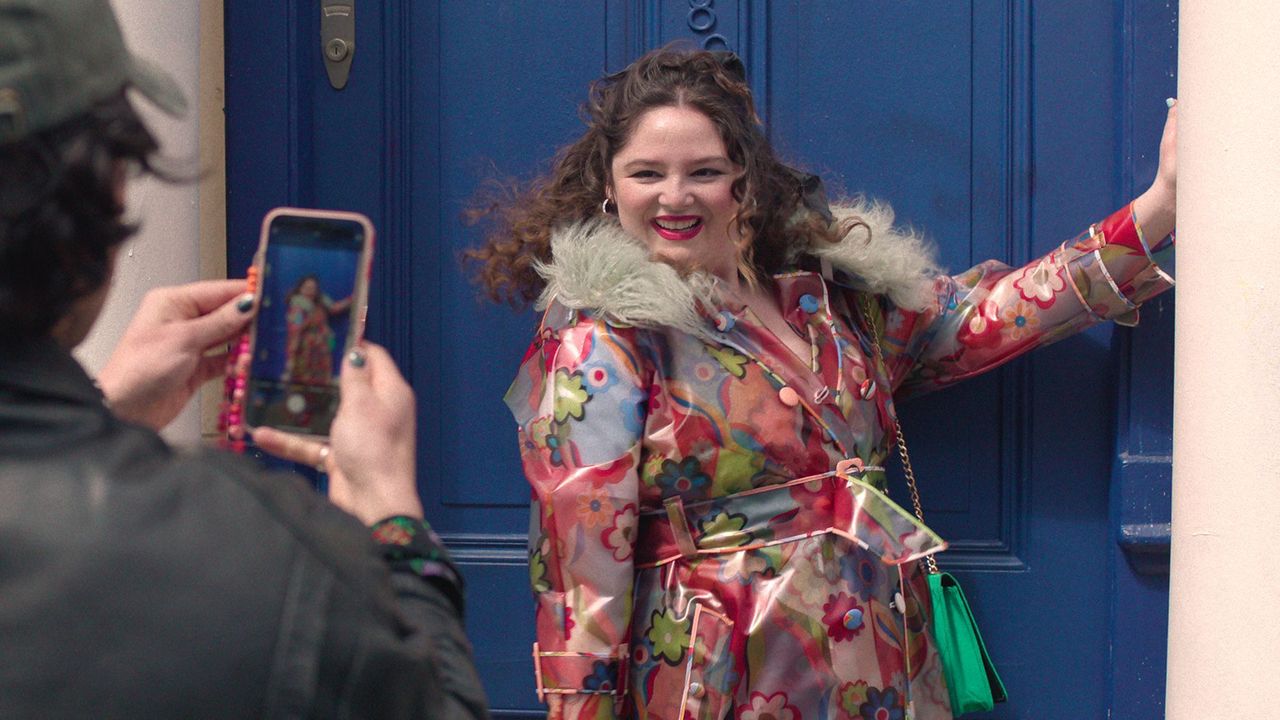
Nonetheless, numerous media portrayals avoid these clichés. Over the past few years, certain directors and TV producers have intentionally aimed to depict London more accurately and genuinely. Programs that focus on the experiences of working-class neighborhoods, examine racial and cultural identities, or address modern challenges such as gentrification and social inequality are contributing to expanding the storyline. These productions offer a more comprehensive and nuanced depiction of London, showcasing both its allure and its difficulties.
Independent films, particularly, have been vital in providing different perspectives of London. By highlighting individual stories located in seldom-seen areas or by amplifying the voices of marginalized groups, these movies and series confront the prevalent narratives created by mainstream media. Documentaries, as well, have been key in uncovering the reality of life in the city, from housing emergencies to social activism.
Another aspect where the depiction of London is progressing is in the growing inclusion of varied actors and creative groups. As the entertainment sector moves towards greater inclusivity, narratives that mirror the real-life experiences of every resident of London—not solely those from affluent backgrounds—are starting to gain broader viewership. This change not only enhances the richness of the stories but also fosters more authentic bonds between viewers and the tales presented on screen.
Furthermore, advancements in technology and the emergence of digital platforms have democratized the art of storytelling. This has allowed independent creators to present their narratives of London without being restricted by conventional production companies. Web series, online documentaries, and content on social media are introducing new viewpoints to an international audience, showcasing aspects of the city that might have remained unseen.
The current task is to ensure that these genuine portrayals become part of widespread stories rather than staying in a limited audience. People are showing more interest in stories that appear genuine, tackle the intricacies of city living, and illustrate the variety of individuals residing in London. There is an increasing awareness that genuine narratives not only enhance storytelling quality but also promote empathy, understanding, and a more precise cultural recollection.
At the heart of the matter, the way London is depicted in movies and TV goes beyond mere amusement. It touches on broader themes of portrayal, diversity, and the influence of storytelling in shaping views. Each narrative shown on screen can either perpetuate clichés or confront them, simplify truths or highlight their complexity.
London, being one of the most lively and varied cities globally, warrants a depiction that reflects its true vibrancy. With its lively marketplaces and tranquil districts, from its challenges to its victories, the city is home to numerous untold tales. Only by embracing this intricacy can film and television go deeper and provide audiences with a genuine portrayal of the essence of London.
While individuals involved in content creation, production, and audiences continue to scrutinize and contest obsolete depictions, there is a chance to reshape how urban centers—and their residents—are portrayed in media. This allows for London to be appreciated, not merely as a basic representation of British allure, but as a dynamic, complex metropolis that is perpetually changing.