
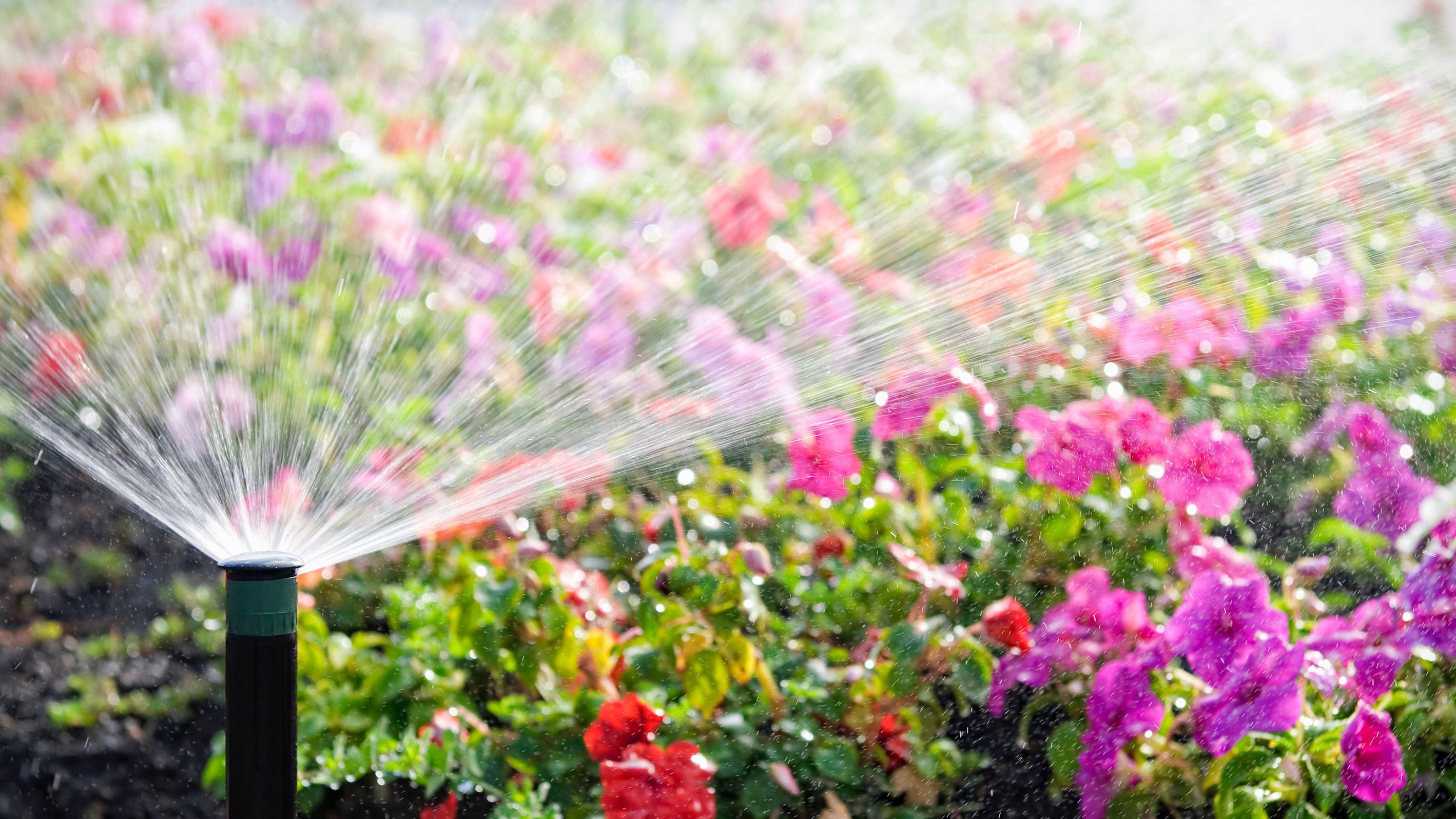
As regions across the globe face sweltering heatwaves and prolonged periods of high temperatures, concerns are mounting over the increasing demand for water and its implications for communities, agriculture, and the environment. The rising need for water amid extreme weather underscores the urgency of sustainable water management and climate adaptation strategies.
With temperatures reaching record highs in many areas, the demand for water has surged significantly. Households, industries, and agricultural sectors are all drawing on water resources at unprecedented rates to cope with the heat. This heightened demand has placed immense pressure on water supply systems, particularly in regions already grappling with drought or limited water availability.
The connection between high temperatures and increased water consumption is multifaceted. In residential settings, people rely heavily on water for cooling, hydration, and maintaining everyday activities such as gardening and personal hygiene. In agriculture, elevated temperatures lead to higher evaporation rates and greater irrigation needs to sustain crops. Livestock also require more water to remain healthy during heatwaves. Similarly, industries dependent on water for cooling processes or production face rising consumption levels.
This situation is further complicated by the effects of climate change, which is intensifying the frequency and severity of heatwaves. Prolonged periods of extreme heat not only increase short-term water demand but also threaten the long-term sustainability of water sources. Reduced snowpack, altered rainfall patterns, and shrinking reservoirs contribute to an increasingly volatile water supply, making it more difficult for communities to meet surging demands.
Public health is another critical dimension of this challenge. High temperatures elevate the risk of heat-related illnesses such as heat exhaustion and heatstroke, particularly among vulnerable populations including the elderly, young children, and those with pre-existing health conditions. Access to clean, sufficient water is essential for preventing dehydration and maintaining well-being during heatwaves. Any strain on water supplies can thus have direct consequences for public health.
Agriculture, which uses a large portion of the world’s water, is especially vulnerable to high temperatures and dry spells. Farmers need to use extra water to maintain crop health; however, water shortages and limitations might hinder this process. This situation endangers food production and distribution networks, as well as the income of individuals employed in farming. In certain parts of the world, frequent droughts have already caused failures in crops and financial difficulties for agricultural communities.
Urban centers are experiencing the consequences too. Municipal water systems are under pressure as demand reaches its highest levels, and older infrastructure might find it challenging to manage increases in usage. Officials in certain regions have enforced restrictions on water use, encouraging people to minimize activities like watering lawns, washing cars, and other non-essential water utilization. These actions, though essential, underscore the fragile equilibrium between addressing present needs and safeguarding resources for the future.
The energy sector faces intertwined challenges. Increased use of air conditioning and cooling systems during heatwaves drives up electricity demand, and power plants—especially those using water for cooling—must also draw heavily on water supplies. This creates a feedback loop where energy and water demands compound one another, raising concerns about the resilience of infrastructure and the risk of supply disruptions.
In response to these growing concerns, experts advocate for a comprehensive approach to water management that incorporates conservation, infrastructure modernization, and climate adaptation. Strategies such as improving water efficiency in agriculture through drip irrigation, investing in drought-resistant crops, enhancing public awareness about water conservation, and repairing leaky infrastructure can all contribute to more sustainable water use.
Furthermore, urban areas and local governments are investigating creative approaches like using recycled water systems, collecting rainwater, and implementing eco-friendly infrastructure to mitigate water shortages. Embracing intelligent water technologies along with data-focused management strategies can facilitate more accurate observation and distribution of water resources, assisting in balancing supply and demand effectively.
Policy interventions are equally critical. Governments at local, regional, and national levels play a key role in setting regulations, incentivizing conservation, and supporting investments in sustainable water systems. International cooperation may also be necessary in transboundary water regions where shared resources require joint management and conflict avoidance.
Involving the public plays a crucial role in managing water resources effectively. Persuading people to embrace practices that conserve water, like repairing leaks, utilizing appliances that use less water, and minimizing water usage outdoors, can together lead to substantial improvements. Informative initiatives emphasizing the significance of saving water and the effects of climate change can motivate communities to get involved.
Looking ahead, the intersection of rising temperatures, increasing water demand, and climate change presents a formidable challenge that demands immediate and sustained attention. While technology, policy, and community action offer pathways toward resilience, the complexity of these issues requires integrated solutions that balance environmental, economic, and social considerations.
Ultimately, the ongoing heatwaves and water stress serve as a stark reminder of the need to build adaptive capacity in the face of a changing climate. By prioritizing sustainable water management and investing in resilient infrastructure, societies can better prepare for the intensifying challenges posed by extreme weather and ensure that water remains accessible for all, even in the hottest of times.


