

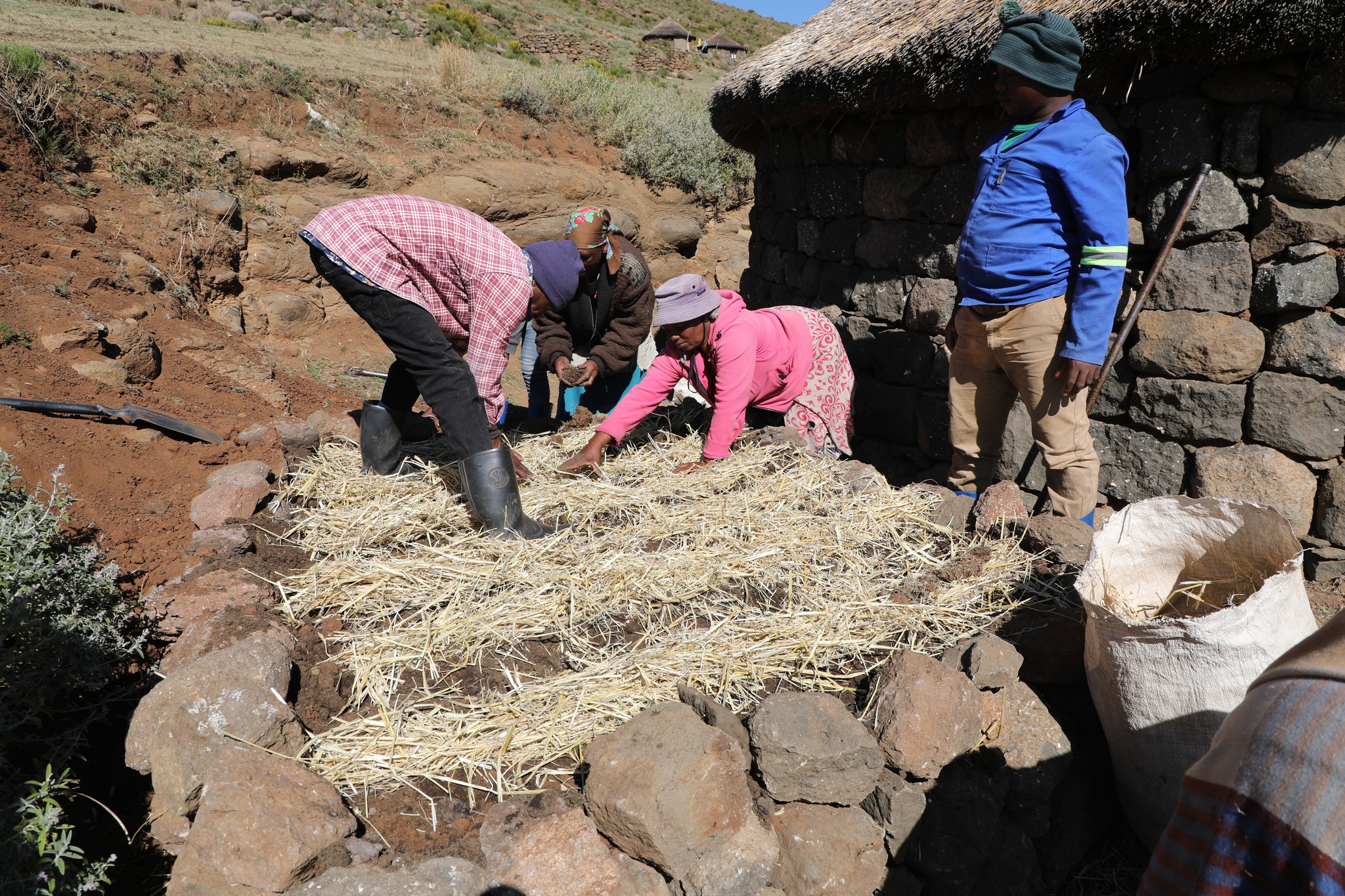
Lesotho has formally announced a state of disaster in response to growing economic concerns linked to potential changes in United States trade policies. This declaration underscores the small African nation’s vulnerability to international economic shifts and highlights the pressing need for both immediate assistance and long-term strategies to mitigate external risks.
The uncertainty centers around the future of Lesotho’s preferential trade status under the African Growth and Opportunity Act (AGOA), a U.S. legislation that allows eligible sub-Saharan African countries to export goods to the U.S. market duty-free. Lesotho, whose economy heavily depends on textile exports, particularly garments, has been a significant beneficiary of this arrangement. The textile industry in Lesotho not only drives export earnings but also provides employment to tens of thousands of workers, many of whom are women and sole providers for their families.
Any threat to Lesotho’s tariff-free access to the American market poses serious economic risks. The government’s state of disaster declaration reflects the urgent need to address potential fallout from shifts in U.S. policy that could undermine the country’s fragile economic stability. Without the continued support of AGOA, Lesotho faces the prospect of factory closures, rising unemployment, and heightened social challenges.
The AGOA framework, established in 2000, was designed to promote economic growth through trade by allowing eligible African countries to export a range of products to the U.S. without tariffs. For Lesotho, this has translated into a thriving textile and apparel sector that constitutes a large portion of the country’s GDP and export profile. The industry has been instrumental in creating jobs, attracting foreign investment, and fostering economic diversification in a nation with limited natural resources and a small domestic market.
Despite the program’s success in stimulating economic activity, the preferential trade arrangement is subject to periodic review and renewal by the U.S. government. Each time the agreement nears expiration or comes under scrutiny, countries like Lesotho experience heightened anxiety about their economic futures. This latest wave of uncertainty has led Lesotho to take preemptive action in declaring a state of disaster, aiming to mobilize internal resources and attract international support.
Lesotho’s reliance on a single export market exposes the country to significant vulnerabilities. A reduction or removal of AGOA benefits could trigger a chain reaction of negative consequences, including mass layoffs, decreased foreign currency earnings, and reduced government revenues. The social impact would likely be profound, with increased poverty and social instability compounding the economic distress.
The government’s decision to declare a state of disaster also aims to draw global attention to the challenges faced by small economies that are deeply integrated into global supply chains yet have limited capacity to influence international trade policies. By highlighting the potential humanitarian and economic repercussions, Lesotho hopes to galvanize support not only from the U.S. but also from regional partners, international organizations, and development agencies.
Amidst these obstacles, Lesotho’s leaders have highlighted the necessity for immediate assistance and a shift towards a more varied economy in the long term. Initiatives are in progress to identify new markets, bolster local industries, and draw in different types of investments to lessen reliance on the textile industry. Additionally, the government has aimed to collaborate with U.S. policymakers to strengthen the shared advantages of maintaining AGOA eligibility.
The situation has sparked wider discussions about the importance of fair and sustainable trade relationships between developed and developing nations. The potential withdrawal of tariff-free status raises critical questions about the role of trade in poverty reduction, economic development, and social stability. For countries like Lesotho, the loss of preferential access would not only disrupt livelihoods but could also reverse hard-won development gains achieved over the past two decades.
The impact of the textile sector extends beyond direct employment. It also supports auxiliary industries, such as transport, logistics, and retail, creating a broader economic ecosystem that sustains thousands of households. The social ramifications of losing this sector would be felt across the entire population, further underscoring the urgency of the state of disaster declaration.
Lesotho’s request to the global community additionally highlights the wider issues encountered by numerous least-developed countries (LDCs) as they deal with the intricacies of international trade. Programs such as AGOA have delivered crucial support, but they also make recipient nations vulnerable to policy changes in donor markets. Thus, a sustainable path to development necessitates a comprehensive strategy that covers trade, investment, capacity enhancement, and the fortification of local industries.
The government’s approach to the crisis involves swift actions like social support initiatives, aid for impacted employees, and efforts to uphold investor trust. Concurrently, there is an intensified emphasis on education, skill enhancement, and entrepreneurship as routes to foster a more robust and varied economy.
At the diplomatic level, Lesotho has sought to maintain open channels of communication with the United States, emphasizing the positive outcomes of AGOA for both nations. The textile industry’s contribution to women’s empowerment, poverty reduction, and regional stability forms part of the narrative presented to U.S. decision-makers as they consider the future of trade preferences.
In the upcoming months, U.S. trade policy decisions will greatly influence Lesotho’s economic path. Declaring a state of disaster is not solely a reaction to an urgent threat but also a calculated effort to promote conversation, boost investment in resilience, and encourage a reassessment of international trade frameworks that frequently place smaller economies at a disadvantage.
The future trajectory for Lesotho will hinge on various elements, such as global assistance, internal policy changes, and the business sector’s capacity to adjust. While the nation maneuvers through these unpredictable moments, the emphasis stays on safeguarding livelihoods, upholding economic stability, and steering toward increased self-sufficiency.
The declaration serves as a stark reminder of how interconnected global economies are and how shifts in trade policies in one country can have far-reaching implications for others. It also highlights the responsibility of global powers to consider the real-world impacts of their policy decisions on vulnerable nations striving for economic development and social progress.
Lesotho’s narrative symbolizes the widespread difficulties associated with globalization and the imbalanced allocation of economic influence. The aspiration is that through conversation, collaboration, and a mutual dedication to fair growth, answers can be discovered that safeguard the interests of smaller economies while encouraging fair trade practices that advantage everyone.