

Phoebe Philo’s arrival at Celine in 2008 marked a defining moment not just for the brand, but for the entire fashion industry. Known for her visionary minimalism and intuitive understanding of the modern woman’s needs, Philo quickly transformed Celine from a relatively subdued luxury label into a cultural and commercial powerhouse. Her tenure, which lasted until 2017, elevated Celine’s status, reshaped tastes, and left a legacy that continues to influence contemporary fashion.
Redefining the Celine Aesthetic
Before Phoebe Philo’s tenure, Celine was admired for its craftsmanship yet struggled to project a clear, modern character. The brand’s image tended to feel conventional and resonated mostly with an older audience. Sensing this disconnect, Philo reshaped Celine through a decidedly contemporary perspective. She incorporated streamlined silhouettes, subtly androgynous cuts, and a restrained color scheme, elements that boldly departed from the decorative, overtly feminine aesthetic that dominated luxury fashion at the time.
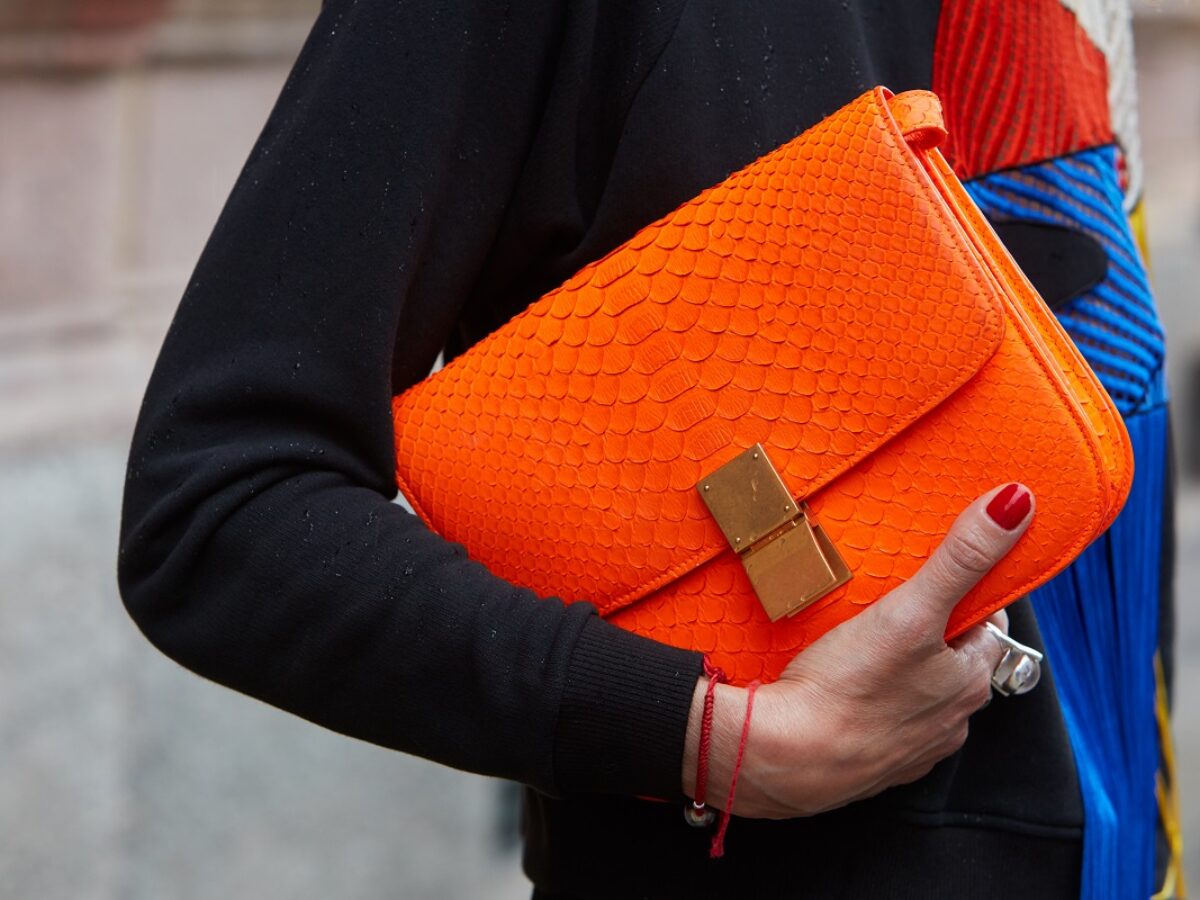
Philo’s Celine collections highlighted understated refinement rather than theatrical flair. Signature items like roomy coats, flowing wide-leg trousers, and immaculate white blouses evolved into essential wardrobe staples. Her commitment to functionality never diminished sophistication; instead, it reshaped luxury as something grounded in comfort and effortless grace. Among her key contributions was the elevation of everyday accessories into sought-after symbols of status. The Luggage Tote and the Trapeze bag, for instance, quickly became instantly identifiable and consistently waitlisted, driving demand and reinforcing Celine’s standing for indispensable investment pieces.
Design Philosophy: Empowerment Through Clothing
Central to Phoebe Philo’s vision was her dedication to crafting designs that spoke to real women, and this commitment frequently led her to sidestep passing trends in favor of collections shaped by autonomy, intelligence, and assuredness. Her well-known remark, “I wanted to make clothes that women would want to wear,” conveyed a profound understanding of her audience.
This customer-first ethos also shaped her approach to models and visual campaigns. Philo’s promotions often showcased women from diverse ages and backgrounds, including Joan Didion, the esteemed American writer who appeared in a campaign at 80. By advancing a more inclusive perspective on beauty and style, she raised industry benchmarks and cultivated a dedicated, discerning audience.
Cultural Relevance and Societal Influence
Philo’s Celine set off a wider transformation in the fashion scene, fueling the rise of quiet luxury and inspiring the philo-phile wave among both industry insiders and everyday consumers. Numerous prominent editors, stylists, and public figures voiced their support for her designs. Acclaimed film director Sofia Coppola, for example, was frequently seen wearing Celine, embodying the effortless sophistication the brand came to symbolize.
Under Philo, Celine’s cultural influence rose dramatically, as the label expanded from runway acclaim into everyday conversations about coveted, effortlessly wearable luxury, while items once viewed as purely functional—from flat loafers to tailored wide-leg trousers and sculptural jewelry—were suddenly in fierce demand, capturing a subtle sophistication that appealed across ages and nationalities.
Market Dynamics and Economic Expansion
Philo’s leadership also ushered in a period of pronounced commercial success for Celine. Sales steadily increased as the brand captured the attention of a new, younger generation. According to reports from the parent company LVMH, by the latter years of Philo’s tenure, Celine experienced double-digit sales growth, and its ready-to-wear lines became core revenue drivers. Accessories saw explosive demand, particularly the handbags, which at times had year-long waiting lists. This commercial upturn validated the strategic pivot towards modern, practical luxury.
Celine boutiques, reimagined through Philo’s direction, echoed the same minimalist spirit present in her designs, blending architectural exactness with inviting warmth to shape physical environments that captured the brand’s ethos and deepened customer loyalty.
Enduring Legacy and Industry Influence
The conclusion of Philo’s tenure at Celine in 2017 stirred nostalgia and fueled questions about the enduring reach of her vision. Designers throughout the fashion world increasingly mirrored her approach, embracing everything from normcore sensibilities to fluid, gender-neutral silhouettes and enduring wardrobe essentials. Numerous brands pursued her talent for merging appeal with practicality, emphasizing adaptable, comfortable pieces while preserving a sense of polished sophistication.
Many in the fashion world attribute to Philo the spark behind a fresh approach to dressing, one often described as the intelligent wardrobe. By championing versatile pieces, she promoted mindful purchasing and reinforced the idea of clothing as enduring partners rather than fleeting fads. Her prioritization of authenticity and self-assurance over flashy logos still shapes the choices of design houses and their audiences.
Phoebe Philo’s era at Celine did more than transform a label; it reframed the fashion landscape for a new decade. She set new standards for how luxury can serve the needs of contemporary life, balancing functionality with beauty and inviting a quiet confidence that redefined elegance. The blueprint she created continues to guide designers and excite fashion enthusiasts, proving that true innovation, rooted in empathy and intelligence, has an enduring power to reshape culture.


