What gluten is—and why it matters
Gluten is a family of structural proteins found primarily in wheat, barley, rye, and their hybrids. It gives dough its elasticity and helps baked goods rise and keep shape. For most people gluten is harmless; for a minority it triggers immune, allergic, or gastrointestinal responses that cause real health problems. Knowing when to avoid gluten and when not to comes down to diagnosis, symptoms, and long-term nutritional trade-offs.
When avoiding gluten clearly makes sense
- Celiac disease: an autoimmune disorder in which ingestion of gluten damages the small intestine. Prevalence is about 1% worldwide. Untreated celiac disease can cause iron-deficiency anemia, malabsorption, osteoporosis, growth failure in children, infertility, and increased fracture risk. Diagnosis is based on positive serology (tTG-IgA with total IgA) and, in many cases, confirmatory duodenal biopsy while the patient is eating gluten. Strict lifelong gluten avoidance is the only effective treatment.
- Wheat allergy: an IgE-mediated allergic reaction to proteins in wheat. Prevalence is relatively low (estimates commonly under 1%), but reactions can range from hives to anaphylaxis. People with confirmed wheat allergy must avoid wheat; avoiding gluten-containing grains may help but some wheat-allergic people tolerate other grains—diagnosis by allergy testing and specialist advice is essential.
- Diagnosed non-celiac gluten sensitivity (NCGS): some individuals report reproducible digestive or extra-digestive symptoms when they eat gluten but do not meet criteria for celiac disease or wheat allergy. Estimates vary widely; blinded trials suggest the true prevalence is lower than self-reported rates. When NCGS is diagnosed by a clinician or confirmed by a structured elimination and re-challenge, a gluten-restricted diet may be appropriate, often with periodic re-evaluation.
When avoiding gluten usually does not make sense
- No clear diagnosis or symptoms: steering clear of gluten without confirmed issues provides minimal demonstrated health value for most people and may cause needless dietary limitations.
- Weight loss or “healthy” trend: many assume gluten-free automatically means healthier or lower in calories, yet numerous processed gluten-free items contain more sugar, fat, or calories and offer less fiber than similar products with gluten.
- Performance enhancement myths: solid evidence does not support the idea that eliminating gluten boosts athletic performance in individuals who do not have celiac disease or verified sensitivity.
- Preventative avoidance in infants or children without risk factors: incorporating gluten within a varied infant diet does not consistently protect against celiac disease, and avoiding it without medical justification can complicate nutrition and social eating.
Testing and diagnosis: the proper sequence of actions
- Begin by getting tested before removing gluten from your diet. If you suspect celiac disease, arrange serologic tests such as tTG-IgA along with total IgA. When results come back positive, continue with established clinical steps, which may involve an endoscopic biopsy. HLA typing (DQ2/DQ8) may also help; if these markers are missing, celiac disease becomes highly improbable.
- If you have already adopted a gluten-free diet, diagnostic accuracy decreases. Talk with your clinician about a supervised gluten challenge before pursuing testing; consuming gluten again for reliable results usually requires several weeks and must be guided by a healthcare professional.
- When wheat allergy is suspected, consult an allergist for skin prick testing or serum-specific IgE, and undergo a monitored oral food challenge if recommended.
- When NCGS is a concern, a structured elimination phase followed by a blinded re-challenge under medical oversight, or a diagnostic plan directed by a clinician, is preferable to making assumptions on your own.
Hidden sources, labeling, and regulatory thresholds
- Hidden gluten appears in sauces, processed meats, soups, some medications, and cross-contaminated oats. Reading labels and asking about ingredients is important for those who must avoid gluten.
- “Gluten-free” labeling is regulated in many countries; the common international threshold is 20 parts per million (ppm) or less of gluten for foods labeled gluten-free. This threshold is considered safe for most people with celiac disease.
- Oats are naturally gluten-free but often contaminated with wheat; only certified gluten-free oats are recommended for people with celiac disease.
Nutritional trade-offs and health effects of unnecessary avoidance
- Reduced consumption of fiber, vitamins, and minerals: whole wheat and other gluten-containing whole grains deliver key sources of fiber, B vitamins, iron, magnesium, and essential trace minerals, and substituting them with refined gluten-free items can diminish overall nutrient intake.
- Drawbacks of processed gluten-free foods: numerous commercially produced gluten-free options tend to cost more and contain elevated levels of fat, sugar, and salt, and research indicates that some individuals gain weight when following poorly structured gluten-free diets.
- Psychosocial and financial burdens: maintaining strict avoidance influences social dining, travel routines, and grocery expenses, creating quality-of-life compromises that are significant when the diet is not medically required.
How to adopt a gluten-free diet safely when needed
- Work with a registered dietitian experienced in celiac disease or food allergies to ensure balanced nutrition.
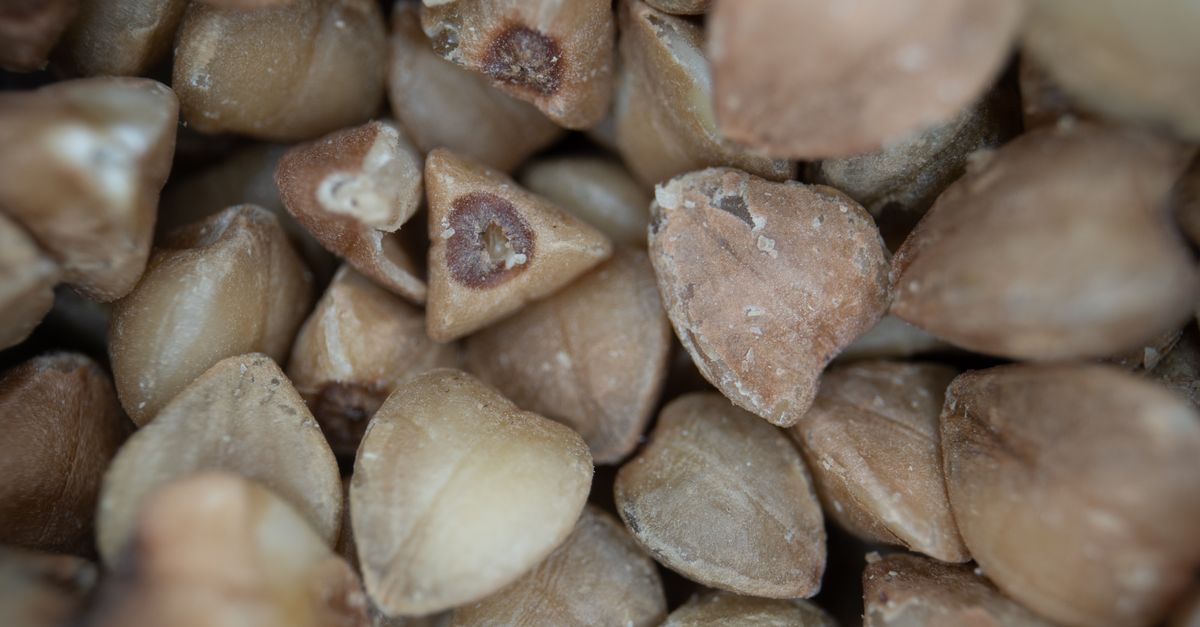
- Favor naturally gluten-free whole foods: fruits, vegetables, legumes, nuts, seeds, dairy, eggs, fish, lean meats, and gluten-free whole grains such as quinoa, buckwheat, millet, sorghum, amaranth, and certified gluten-free oats.
- Check labels for hidden gluten and choose products certified gluten-free where possible.
- Consider supplementation if tests reveal deficiencies (iron, vitamin D, B12, folate) and monitor bone health and growth in children with celiac disease.
- Plan for cross-contamination in shared kitchens—use separate toasters, utensils, or clear cleaning protocols when needed.
Clinical insights and practical real-world cases
- Case A: Child with celiac disease — A 7-year-old with poor growth and iron deficiency is diagnosed with celiac disease after positive tTG-IgA and biopsy. A strict gluten-free diet leads to catch-up growth and normalization of labs within months.
- Case B: Adult with IBS-like symptoms — A 35-year-old with bloating and irregular bowel habits tests negative for celiac disease and wheat allergy. A dietitian-guided low-FODMAP trial reduces symptoms; later, a targeted gluten re-challenge shows no clear gluten effect, suggesting fructans in wheat were the trigger rather than gluten.
- Case C: Self-diagnosed gluten avoidance — A person without testing adopts a gluten-free diet for perceived fatigue and weight control, later finds nutritional shortfalls and weight gain from processed gluten-free snacks. Reassessment with a clinician and dietitian helps rebalance the diet and reintroduce appropriate whole grains.
Practical decision flow
- Are there clear symptoms suggestive of celiac disease, wheat allergy, or severe reaction? If yes, seek medical testing before changing diet.
- If serology or allergy testing is positive, follow specialist guidance for avoidance and monitoring.
- If tests are negative but symptoms persist, consider a structured elimination with professional support and evaluate for FODMAP sensitivity or other GI conditions.
- If no medical indication exists, prioritize whole grains and a balanced diet rather than routine gluten avoidance.
Balancing medical evidence, personal experience, and practical lifestyle factors leads to better decisions about gluten. For those with confirmed medical conditions, a carefully managed gluten-free diet restores health; for others, blanket avoidance often brings cost, nutritional gaps, and limited benefits. Thoughtful testing, professional guidance, and focusing on whole, minimally processed foods provide the best path to healthful, sustainable choices about gluten.