

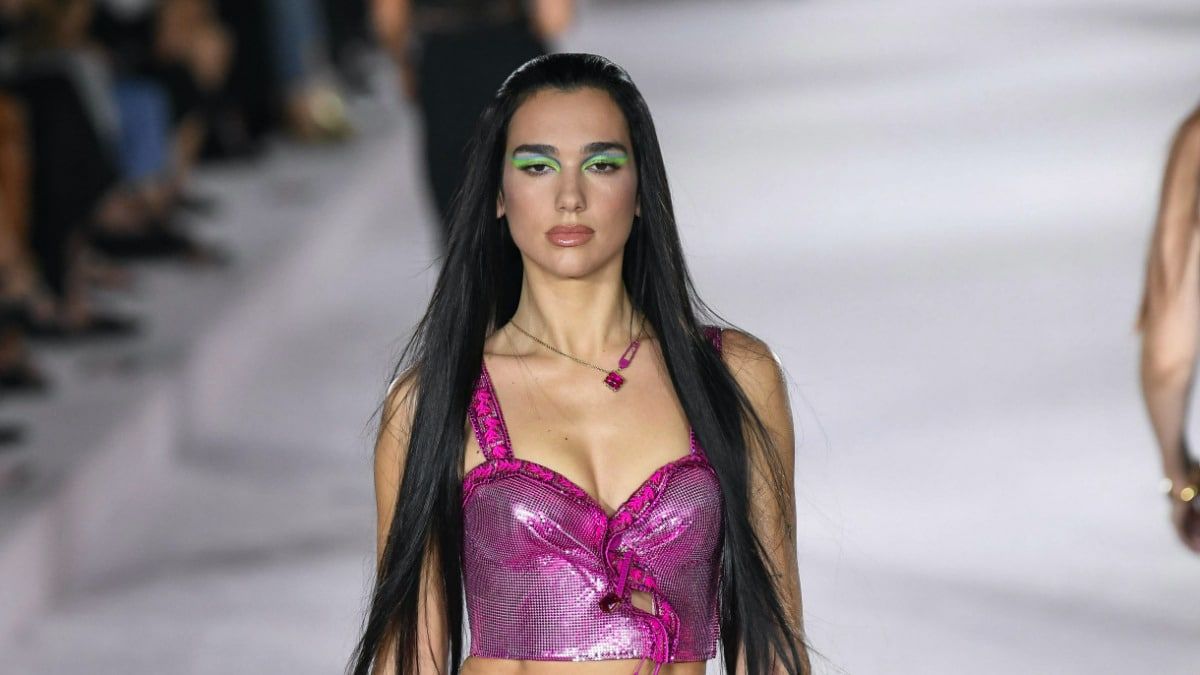
In today’s fast-paced digital world, the fashion industry is undergoing a significant transformation, driven by technological advancements and innovative approaches to reach global audiences. One of the most intriguing developments in this field is the concept of a virtual runway. But what exactly is a virtual runway, and how does it reshape the traditional fashion landscape?
The Transformation of Fashion Exhibitions
Traditionally, fashion shows have been exclusive events held in glamorous locations, attended by a select group of fashion insiders, celebrities, and buyers. Over the past few years, however, the landscape has evolved with the introduction of virtual runways. These digital platforms allow designers to showcase their collections to a worldwide audience without the logistical and geographical constraints of physical shows. In essence, a virtual runway leverages technology to create a dynamic, interactive experience that mirrors a real-world fashion event.
Understanding the Functioning of Virtual Runways
Virtual runways blend digital media with augmented reality (AR) and virtual reality (VR) tools to showcase fashion collections. Using livestreams, immersive environments, and 3D visualizations, audiences can observe refined garment details almost as though they were physically present. Fashion brands rely on high-end video production to recreate the ambiance of an in-person event, complete with lighting, music, and models navigating the virtual catwalk. This fusion of technologies delivers an experience far richer than a conventional slideshow, enabling viewers to explore the pieces in a lively and captivating way.
Advantages Offered by Virtual Runways
There are many benefits to embracing virtual runways. First, accessibility is significantly improved, allowing anyone with an internet connection to enjoy fashion shows from home, which broadens participation and fosters greater inclusivity. Second, virtual runways prove to be cost-effective for designers, as avoiding high venue fees and complex logistics lets them invest more in creative and innovative work. Moreover, virtual runways offer clear sustainability benefits by lowering the carbon emissions tied to travel and minimizing the waste typically produced at in-person events.
Practical Case Analyses and Real-Life Illustrations
Many leading fashion houses have turned to virtual catwalks. For instance, in 2020, amid the global pandemic, Paris Fashion Week shifted to a fully digital format, offering virtual showcases instead of in-person shows. Labels such as Balenciaga and Dior unveiled their collections online, engaging viewers far beyond the limits of a traditional venue. These digital events demonstrated the fashion industry’s remarkable flexibility and capacity to adapt through the use of online platforms.
Another striking instance is the collaboration between Louis Vuitton and the esports platform League of Legends. By designing virtual outfits for characters within the game, Louis Vuitton broadened its influence, merging high fashion with gaming culture. This distinctive strategy not only attracted fresh audiences but also highlighted the limitless potential of virtual fashion.
Challenges and Considerations
Despite the advantages, virtual runways are not without challenges. The fashion industry is inherently tactile; many argue that the ability to touch and feel garments is lost in a virtual setting. Ensuring high-quality digital representation is vital to convey texture and craftsmanship. Moreover, some luxury brands worry about dilution of exclusivity, as virtual shows are accessible to all. Nevertheless, these challenges drive innovation, pushing designers to create ever-more compelling virtual experiences.
The Evolution of Virtual Runways Ahead
With rapid advancements in technology, virtual runways are poised to become a mainstay of the fashion industry. As augmented and virtual reality technologies evolve, they promise even more immersive experiences, potentially allowing viewers to try on clothes virtually. Virtual runways are not just a temporary solution but rather a complementary platform that can coexist alongside traditional fashion shows.
Reflecting on this blend of fashion and technology, it becomes clear that virtual runways symbolize a wider movement embracing digital‑first approaches, as the fashion landscape grows increasingly linked with technology, collaboration, and global connection, reshaping the way style and creativity are experienced.