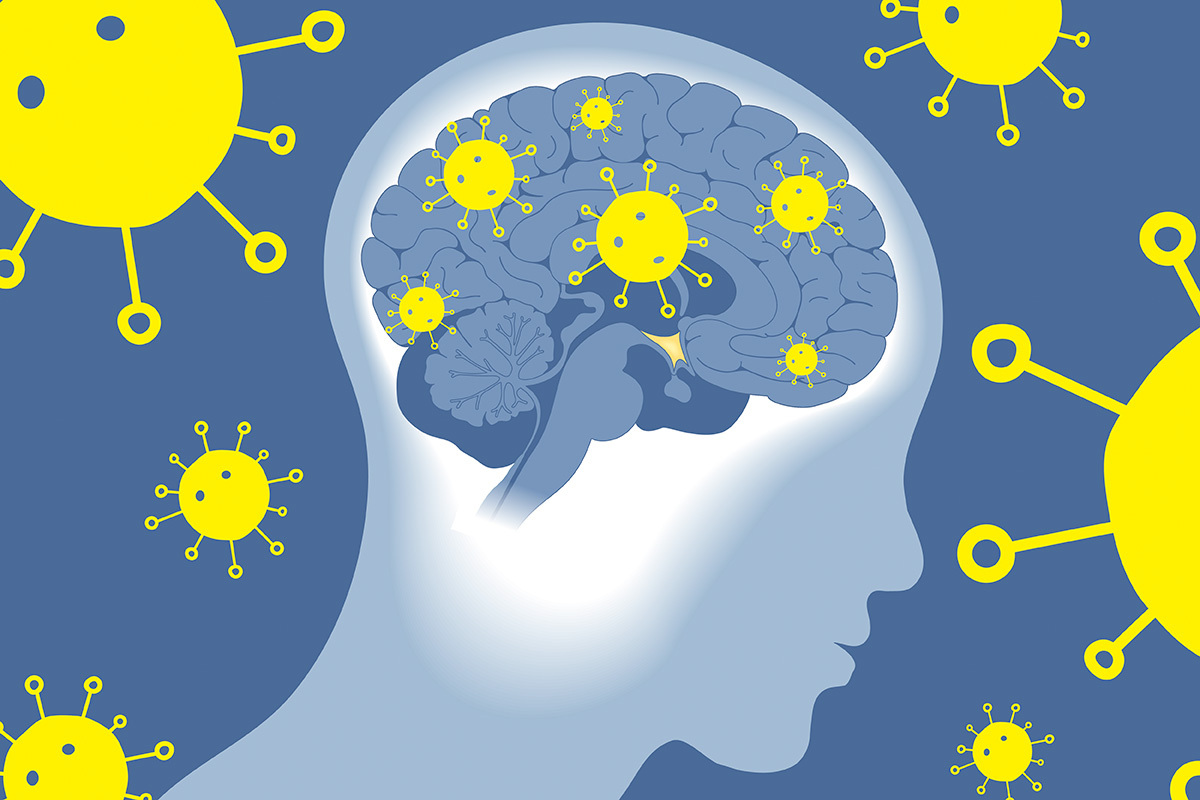
New investigations indicate that the COVID-19 pandemic might have significantly influenced cognitive well-being, regardless of whether people contracted the virus. The stress, chaos, and extended uncertainty faced throughout the worldwide health emergency seem to have led to noticeable indicators of brain aging among the general public.
Researchers studying changes in brain function and mental performance before, during, and after the pandemic have found indications of accelerated cognitive decline in adults of various ages. These changes were noted even in individuals who never tested positive for COVID-19, pointing to a broader environmental and psychological toll rather than one limited strictly to the virus itself.
The pandemic period was marked by dramatic shifts in daily routines, reduced social interaction, prolonged isolation, economic instability, and widespread anxiety—all of which can weigh heavily on mental health. Scientists believe that these factors may have mimicked the effects typically associated with aging, such as memory loss, slower processing speed, and reduced attention span.
In research contrasting cognitive test outcomes from before the pandemic with those conducted after, individuals displayed minor yet steady reductions in memory storage, executive abilities, and verbal reasoning. Although these changes are modest on a personal scale, they were notable enough at the community level to alarm neurologists and mental health specialists.
One theory is that chronic stress played a central role in this cognitive shift. Stress is known to affect the hippocampus—a brain region critical for memory and learning—and prolonged exposure to stress hormones like cortisol can impair neural function over time. The sustained psychological pressure brought on by the pandemic may have created a neurological environment similar to that seen in aging brains.
Additionally, the significant decrease in social interactions might have intensified the consequences. Humans are naturally social creatures, and frequent communication with others helps enhance brain activity and preserve mental acuity. The solitude many individuals faced during lockdowns and distancing protocols could have hastened brain alterations usually seen in elderly individuals.
Remote working setups, decreased levels of physical activity, altered sleep routines, and prolonged screen exposure likely played a role as well. Previous studies have connected all these factors to alterations in brain health, and when they occur together—as was the case during the pandemic—they might have resulted in a combined impact.
Interestingly, researchers also observed that individuals who had contracted COVID-19 showed similar patterns of cognitive decline, but not necessarily at a greater rate than those who had not been infected. This finding suggests that the pandemic’s environmental and psychological impacts may be as influential as the biological effects of the virus itself when it comes to cognitive aging.
These results prompt significant inquiries regarding the ways society bolsters mental and neurological well-being amid extensive disturbances. Specialists propose that the enduring effects of the pandemic might surpass public health indicators such as infection levels and hospitalization figures. If mental deterioration has grown more prevalent because of common stress factors, it may be imperative to reshape the comprehension of recovery after the pandemic to prioritize brain health.
Healthcare providers are being encouraged to monitor patients more closely for signs of cognitive changes, especially among middle-aged and older adults. Regular memory screenings, mental wellness check-ins, and proactive lifestyle interventions may help mitigate any lasting effects.
Health initiatives focusing on decreasing stress, enhancing sleep habits, and encouraging both physical and social engagement could be crucial in addressing some of the impacts. The brain’s plasticity—its capacity to adjust and renew—persists robustly through a significant part of adult life, and interventions carried out early may help in decelerating or potentially reversing the pattern.
The role of digital technology during the pandemic is also under scrutiny. While digital tools helped people stay connected and work remotely, excessive screen exposure may have led to sensory overload and reduced attention spans. Some researchers argue that the shift to digital communication, while necessary, did not provide the same cognitive stimulation as face-to-face interaction, contributing to a sense of mental fatigue.
Schools and educators are facing similar concerns. Remote learning, while a useful alternative during lockdowns, may have negatively impacted students’ concentration, memory development, and critical thinking skills. As students return to in-person instruction, educational systems may need to adapt curricula and support services to help rebuild cognitive skills that were underused or diminished during the pandemic period.
Workplaces should be urged to take into account the mental impacts of recent years as they adapt to evolving standards. Companies might find advantages in offering mental health services, encouraging in-office teamwork when it is safe, and supporting a balance between work and personal life. Implementing these measures can contribute to rebuilding mental resilience and enhancing overall effectiveness.
Ongoing longitudinal research is underway to monitor how these cognitive transformations progress over time. By examining the same participants over several years, scientists aim to ascertain whether the observed reduction is a brief hindrance or the onset of a more prolonged pattern. The findings might influence future mental health strategies, public awareness initiatives, and approaches to aging.
While the pandemic may have accelerated certain aging-related brain patterns, it also offers a critical opportunity to rethink how society values and protects mental health. Awareness of the issue is growing, and with it comes a chance to implement strategies that can buffer against similar effects during future crises.
El creciente conjunto de evidencias sirve para recordarnos que la salud cognitiva está influenciada por más que solo la biología. Nuestro entorno, las rutinas diarias, los niveles de estrés y las estructuras sociales afectan el funcionamiento cerebral. Tras una interrupción global tan extensa como la pandemia de COVID-19, es evidente que la protección de la salud cerebral debe formar parte de cualquier plan integral de recuperación.